.
.
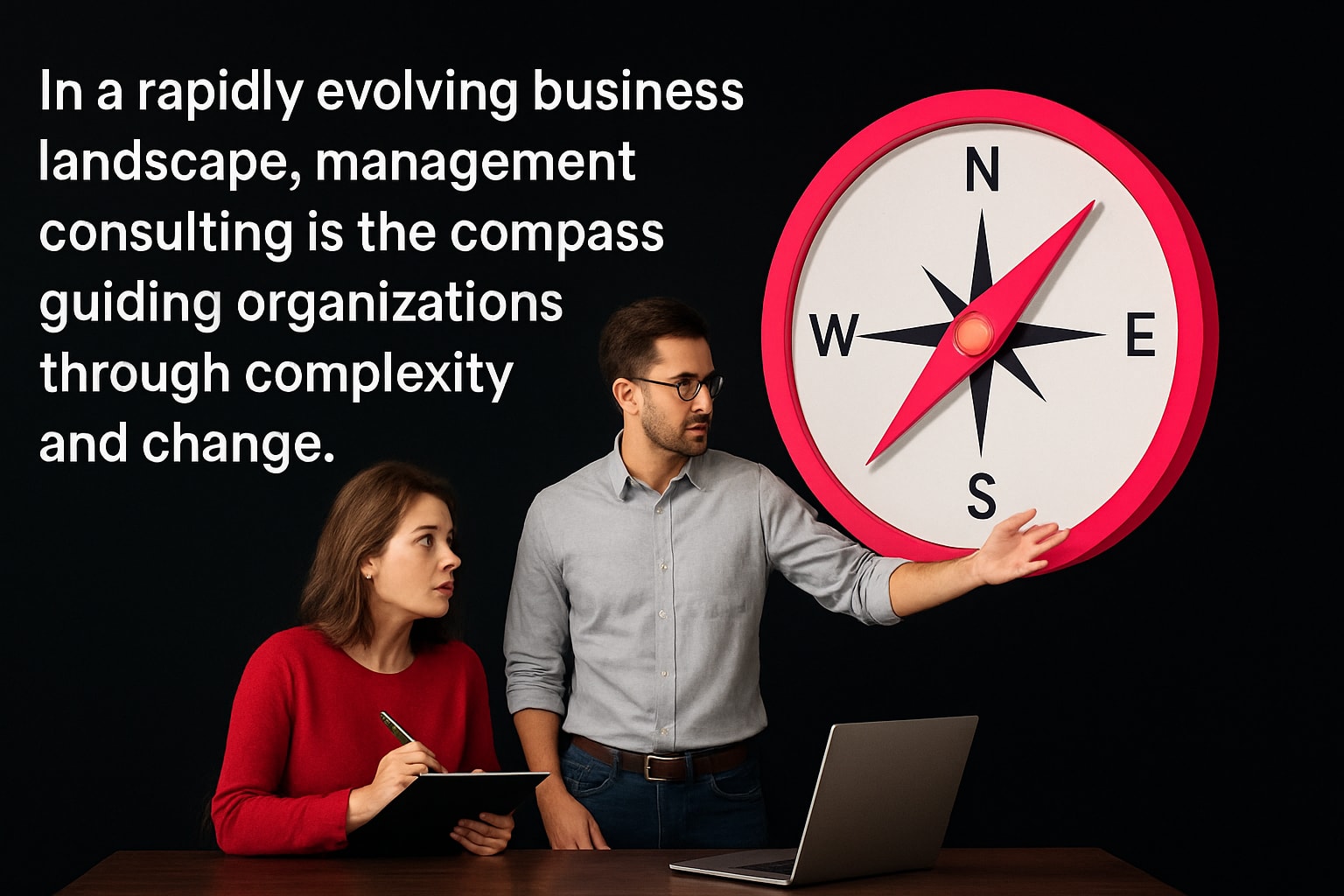
In a rapidly evolving business landscape, business management consulting acts as the compass guiding organizations through complexity and change. This essential guide will empower leaders with the latest strategies, actionable insights, and emerging trends shaping the consulting world in 2026. Discover how to leverage consulting expertise for sustainable growth, innovation, and resilience. We will explore the definition and scope, step-by-step consulting process, key trends, partner selection, value maximization, and the future outlook. Ready to drive excellence? Let expert guidance lead your organization toward long-term sustainability and value.
What is Business Management Consulting?
Business management consulting serves as a catalyst for organizations aiming to achieve growth, efficiency, and resilience in today’s dynamic marketplace. At its core, business management consulting provides objective expertise to help companies navigate complex challenges, identify opportunities, and implement strategies that drive long-term sustainability and value.

Definition and Core Functions
Business management consulting is the practice of partnering with organizations to solve business problems, improve performance, and foster innovation. Unlike general business consulting, which may address a wide range of topics, business management consulting focuses specifically on optimizing leadership, strategy, operations, and organizational transformation.
Consultants in this field provide actionable insights grounded in industry research and proven frameworks. Their value lies in delivering objective assessments, designing tailored solutions, and guiding change initiatives. For example, a retail company might hire consultants to lead a digital transformation, while a manufacturer could seek advice on streamlining supply chains or entering new markets.
The impact of business management consulting is evident in its market size and projected growth. According to Global Business Strategy and Management Consulting Market Growth, the global consulting market is expected to reach $1.2 trillion by 2026. This surge reflects the increasing demand for expertise in digital innovation, operational efficiency, and sustainable business models.
Ultimately, business management consulting empowers organizations to build competitive advantage and adapt to rapid change. By leveraging external knowledge and best practices, companies create virtuous cycles of improvement that reinforce long-term success.
Types of Business Management Consulting Services
Business management consulting encompasses a broad spectrum of specialized services, each designed to address specific organizational needs. The main types include:
- Strategy consulting: Supports vision-setting, market positioning, and long-term planning.
- Operations consulting: Focuses on process optimization, cost reduction, and productivity gains.
- Human resources consulting: Enhances talent management, leadership development, and organizational culture.
- IT and digital transformation: Guides technology adoption, cybersecurity, and advanced data analytics.
- Niche and specialized consulting: Provides sector-specific expertise in areas like ESG, regulatory compliance, and sustainability.
For instance, consulting firms play a critical role in helping healthcare organizations digitalize patient records and improve sustainability practices. In finance, consultants design robust frameworks for risk management and regulatory compliance.
These services foster a knowledge-sharing ecosystem, where clients benefit from the collective intelligence and experience of top-tier talent. By engaging in business management consulting, organizations tap into self-reinforcing networks that unlock high-value work and position them as go-to destinations for leading the charge in their industries.
The Business Management Consulting Process: Step-by-Step
A clear and structured approach is essential for success in business management consulting. This process not only guides organizations through change but also ensures measurable results and long-term sustainability. Each step, from assessment to value realization, builds a self-reinforcing ecosystem of improvement and knowledge-sharing.

Step 1: Initial Assessment and Gap Analysis
The first step in business management consulting is a thorough initial assessment. Consultants begin with discovery meetings to understand the client's goals, pain points, and current business landscape.
Next, benchmarking comes into play. Consultants compare the client's performance against industry standards to identify strengths and weaknesses. Popular frameworks include:
- SWOT analysis (Strengths, Weaknesses, Opportunities, Threats)
- PESTLE analysis (Political, Economic, Social, Technological, Legal, Environmental)
- Gap analysis to pinpoint performance shortfalls
For example, a consulting team might uncover inefficiencies in a company's supply chain or outdated ERP systems during this phase. According to industry research, over 60 percent of organizations cite process gaps as a primary reason for engaging business management consulting services.
This step lays the foundation for a virtuous cycle of improvement, ensuring organizations focus on the right priorities from the outset.
Step 2: Solution Design and Strategy Development
Once gaps are identified, business management consulting shifts to solution design and strategy development. This phase is highly collaborative. Consultants and clients participate in workshops to co-create tailored solutions that align with business objectives.
Leveraging data analytics and in-depth market research, consultants help organizations set measurable objectives and key performance indicators (KPIs). This ensures every recommendation is tied to tangible outcomes.
For instance, a retail client may work with consultants to design a digital transformation roadmap, integrating new technologies and customer engagement strategies. Customization at this stage is crucial for sustainable impact and long-term value.
By focusing on tailored solutions, business management consulting creates a self-reinforcing ecosystem where strategy and execution are closely aligned, driving network effects as more teams adopt best practices.
Step 3: Implementation and Change Management
With a strategy in place, business management consulting moves to implementation and change management. This involves detailed project planning, allocating resources, and aligning stakeholders to the new vision.
Consultants integrate new processes, systems, or technologies while managing resistance and fostering adoption through transparent communication. A common example is rolling out a cloud-based ERP system across multiple business units, ensuring every team member understands and embraces the change.
Change management is critical here. Without expert guidance, up to 70 percent of change initiatives fail to deliver results. For more on this essential aspect, explore change management in consulting projects.
Business management consulting excels at creating a knowledge-sharing culture, turning potential resistance into a catalyst for growth and long-term sustainability.
Step 4: Monitoring, Optimization, and Value Realization
The final step in business management consulting focuses on monitoring progress, optimizing strategies, and realizing value. Consultants establish performance dashboards and feedback loops to track KPIs and business outcomes.
Continuous improvement is encouraged through regular business reviews, allowing organizations to adapt and refine their strategies as market conditions change. Knowledge transfer is central to this phase. Consultants upskill client teams, building internal capabilities for ongoing success.
For example, quarterly business reviews and iterative adjustments ensure that operational excellence and customer satisfaction are sustained over time. This approach creates a self-reinforcing ecosystem, where each improvement cycle increases value for the entire organization.
In summary, the business management consulting process is a powerful framework for driving measurable results, fostering innovation, and achieving long-term sustainability through virtuous cycles and collaborative intelligence.
Key Trends Shaping Business Management Consulting in 2026
The landscape of business management consulting is evolving rapidly as organizations look to stay ahead in an increasingly complex world. In 2026, several transformative trends are shaping how consulting firms deliver value, foster innovation, and build long-term sustainability for clients. Understanding these trends is essential for leaders aiming to leverage consulting expertise for growth and resilience.

Digital Transformation and AI Integration
Digital transformation remains at the forefront of business management consulting in 2026. The integration of artificial intelligence, automation, and advanced analytics is no longer optional but a requirement for competitive advantage. Consultants are guiding organizations through the adoption of AI-powered solutions that optimize operations, personalize customer experiences, and enable real-time decision-making.
For example, consulting teams now routinely deploy AI-driven analytics to extract actionable insights from customer data, helping retail clients improve both efficiency and engagement. This shift is reflected in the prediction that 85% of consulting projects will involve digital components by 2026. The rise of cloud adoption, cybersecurity strategies, and the use of predictive analytics are all core elements of this transformation.
Moreover, the self-reinforcing ecosystem of consultants and clients allows for rapid knowledge-sharing, accelerating digital adoption across industries. To understand the broader impact of these shifts and explore more emerging trends in business management consulting, see the Top 10 Consulting Industry Trends in 2026.
Sustainability, ESG, and Regulatory Compliance
Sustainability and ESG (environmental, social, and governance) priorities have become integral to business management consulting engagements. As regulatory landscapes grow more complex, including new frameworks like the EU AI Act, consulting firms are stepping in to help organizations navigate compliance and embed responsible practices.
The demand for ESG consulting is rising as companies seek to differentiate themselves through ethical leadership and transparent reporting. Typical projects include carbon footprint measurement, supply chain audits, and responsible AI adoption. Consulting firms are creating self-reinforcing cycles of improvement by fostering knowledge-sharing around sustainability best practices.
By integrating ESG and compliance into their core offerings, consultants not only help clients meet regulatory requirements but also position them for long-term value creation. This trend highlights how business management consulting is evolving into a go-to destination for expertise in sustainable business models.
Human-Centered Transformation and Workforce Engagement
People remain at the heart of every successful transformation. In 2026, business management consulting is placing a strong focus on talent development, workforce engagement, and cultural change. Consultants are leading the charge by designing strategies that prioritize employee experience, leadership growth, and organizational resilience.
For instance, human-centered transformation initiatives in manufacturing and technology sectors are yielding impressive results. Companies investing in workforce engagement see profitability gains of up to 21% compared to peers. The consulting process often includes leadership workshops, employee feedback sessions, and collaborative problem-solving, all designed to create self-reinforcing cycles of learning and improvement.
This approach turns organizations into ecosystems where knowledge-sharing thrives, making them attractive destinations for top-tier talent and high-value work. Business management consulting is thus a catalyst for both organizational and individual growth.
Industry-Specific Innovation and Customization
Industry expertise is becoming a defining feature of business management consulting. Rather than generic solutions, firms are developing tailored frameworks and tools for sectors such as healthcare, finance, construction, and retail. This customization ensures that consulting engagements deliver measurable outcomes quickly and efficiently.
For example, consultants supporting healthcare providers are driving digitalization initiatives that streamline patient care and regulatory compliance. In banking, end-to-end digital solutions are enhancing supply chain visibility and operational agility. These sector-specific approaches create network effects, as best practices and innovations spread rapidly within and across industries.
By focusing on industry-specific needs, business management consulting firms are building self-reinforcing ecosystems where value grows as more organizations participate and share insights. This virtuous cycle makes consulting a central force in shaping the future of business excellence.
How to Select the Right Business Management Consulting Partner
Selecting the right business management consulting partner is a pivotal step toward sustainable growth and innovation. This process requires clarity, due diligence, and a structured approach to ensure your organization achieves the highest return on investment. Each stage, from defining your needs to evaluating firms, engagement models, and asking targeted questions, plays a key role in building a self-reinforcing ecosystem for long-term value.
Defining Your Needs and Objectives
Begin by clarifying the specific goals you want to achieve with business management consulting. Are you aiming for digital transformation, operational efficiency, or post-merger integration? Clearly outline your project scope, objectives, and desired outcomes. Involve key stakeholders early to align expectations and secure executive sponsorship. This foundational step ensures that the consulting engagement is purpose-driven and designed for measurable impact. By setting clear success criteria, you create a virtuous cycle where each stage of the partnership builds toward long-term sustainability and value.
Evaluating Consulting Firms
Once your needs are defined, assess potential business management consulting partners based on expertise, industry track record, and reputation. Compare traditional firms, boutique consultancies, and talent marketplaces to find the right fit for your organization’s culture and communication style. Look for alignment in values and collaborative approach, as strong client-consultant relationships are linked to project success. For insights on proven evaluation methods and industry best practices, explore consulting best practices and strategies. By prioritizing cultural fit and proven methodologies, you help foster a network effect where knowledge-sharing and collaborative intelligence thrive.
Understanding Engagement Models and Pricing
Engagement models in business management consulting vary to suit different needs. Fixed-fee, retainer, and outcome-based agreements each offer unique advantages. Fixed-fee provides budget clarity, retainers support ongoing partnerships, and outcome-based models tie compensation to results. Transparency in deliverables, timelines, and budget management is essential. For example, managed service agreements can ensure continuous optimization of ERP systems. Evaluating these models helps you select a sustainable business model that scales with your needs and supports the development of a self-reinforcing ecosystem.
Questions to Ask Potential Partners
Before final selection, ask targeted questions to gauge the capabilities of your business management consulting partner. Inquire about their proven methodologies, relevant case studies, and experience in knowledge-sharing. Clarify how they approach capability building, post-project support, and the potential for long-term partnership. These questions reveal whether the consultant can provide high-value work and contribute to your organization’s transformation journey. A thoughtful selection process positions your company as a go-to destination for top-tier talent and high-quality consulting engagements.
Maximizing Value from Business Management Consulting Engagements
Creating long-term sustainability and value from business management consulting starts with a clear structure and collaborative mindset. Organizations that prioritize planning, open communication, and ongoing improvement are best positioned to see measurable results from their consulting engagements.
Setting Up for Success
Effective business management consulting begins with robust governance and clear roles. Establishing a joint steering committee ensures that both client and consultant remain aligned on objectives, responsibilities, and timelines.
Co-creating a detailed project roadmap with defined milestones and deliverables enables all stakeholders to track progress and adjust strategies as needed. For instance, a large-scale digital transformation project may require regular checkpoints and transparent reporting to maintain momentum.
By setting expectations early, organizations lay the groundwork for a virtuous cycle of trust, accountability, and performance throughout the consulting engagement.
Fostering a Knowledge-Sharing Ecosystem
A collaborative approach to business management consulting unlocks higher rewards through shared expertise and best practices. Encouraging open dialogue and problem-solving between consultants and internal teams helps develop internal capabilities and drives continuous improvement.
One effective strategy is to form internal communities of practice that persist after the consulting project ends. These groups facilitate ongoing learning and ensure that new processes and insights are embedded in the company culture.
To dive deeper into how digital transformation and ERP expertise can support this knowledge-sharing, explore Digital transformation and ERP expertise for actionable approaches and real-world examples.
Measuring and Sustaining Impact
Sustaining value from business management consulting requires clear metrics and regular performance reviews. Defining key performance indicators (KPIs) at the outset allows teams to track operational improvements and customer satisfaction gains over time.
Continuous review and adaptation of strategies ensure the organization remains agile in a changing market. For example, companies with ongoing consulting relationships report a 30 percent faster rate of adapting to new market demands.
By embedding a measurement mindset, organizations can identify emerging challenges early and adjust their approach for maximum impact.
Building a Self-Reinforcing Ecosystem
The most successful business management consulting engagements create a self-reinforcing ecosystem of learning, improvement, and value creation. As more teams participate and share insights, network effects multiply the benefits across the organization.
Companies that invest in these virtuous cycles become go-to destinations for top-tier talent and high-value work. Over time, this sustainable business model drives ongoing innovation and positions the organization to lead the charge in their industry.
By nurturing collaborative intelligence and a culture of continuous advancement, organizations ensure long-term sustainability and value from every consulting partnership.
The Future of Business Management Consulting: Opportunities and Challenges
Navigating the future of business management consulting demands a keen understanding of evolving opportunities and persistent challenges. The industry is shifting toward more flexible models, collaborative ecosystems, and sustained value creation. Organizations and consultants alike must adapt to rapidly changing landscapes, leveraging new tools and partnerships to stay competitive.
The Rise of Talent Marketplaces and Fractional Expertise
Flexible, on-demand consulting is becoming the new standard in business management consulting. Organizations now turn to talent marketplaces to access top-tier specialists for project-based needs, rather than relying solely on large, traditional firms. These platforms enable rapid matching with pre-vetted experts, making it easier to launch high-value work and adapt to shifting business priorities.
For example, companies seeking digital transformation or ERP optimization benefit from fractional consultants who deliver targeted expertise. Platforms offering business technology talent solutions are leading the charge, creating a go-to destination for high-quality freelance consultants. This self-reinforcing ecosystem fosters knowledge-sharing and ensures organizations have access to the right talent at the right time.
Emphasis on Ecosystem Collaboration and Network Effects
The next era of business management consulting is defined by interconnected communities and virtuous cycles of collaboration. As more businesses and consultants participate, the value of the ecosystem grows, thanks to powerful network effects. Knowledge-sharing becomes a core advantage, enabling organizations to solve complex challenges more efficiently through collaborative intelligence.
This self-reinforcing ecosystem allows members to continuously learn, adapt, and innovate. By fostering open communication and resource sharing, consulting partnerships become more resilient and capable of driving long-term sustainability and value. The ability to tap into diverse expertise across the ecosystem ensures that solutions are both innovative and scalable.
Navigating Disruption and Driving Innovation
Business management consulting is at the forefront of helping organizations navigate disruption, whether it is digital transformation, cybersecurity threats, or rapidly evolving markets. Consulting firms now support clients in mastering emerging technologies like artificial intelligence, predictive analytics, and responsible AI adoption.
Staying ahead requires a proactive approach to innovation and risk management. Resources such as AI-Powered Strategy and Predictive Intelligence illustrate how leading firms are leveraging real-time insights to drive strategic decisions. By championing innovation, consultants ensure their clients are prepared for future challenges and positioned for sustained growth.
Maintaining Long-Term Value and Sustainable Business Models
Sustainable business models are at the heart of the future for business management consulting. Consultants are evolving into long-term partners, guiding organizations through continuous transformation and value creation. The focus is on building resilient, adaptable businesses that thrive in changing environments.
Industry data shows that 92 percent of executives plan to increase consulting spend on digital and sustainability initiatives by 2026. This commitment to long-term sustainability and value is a testament to the growing importance of self-reinforcing ecosystems and network effects. As organizations and consultants collaborate more closely, the industry will continue to evolve toward even higher standards of excellence.
How AI-Powered Talent Marketplaces Are Redefining Business Consulting
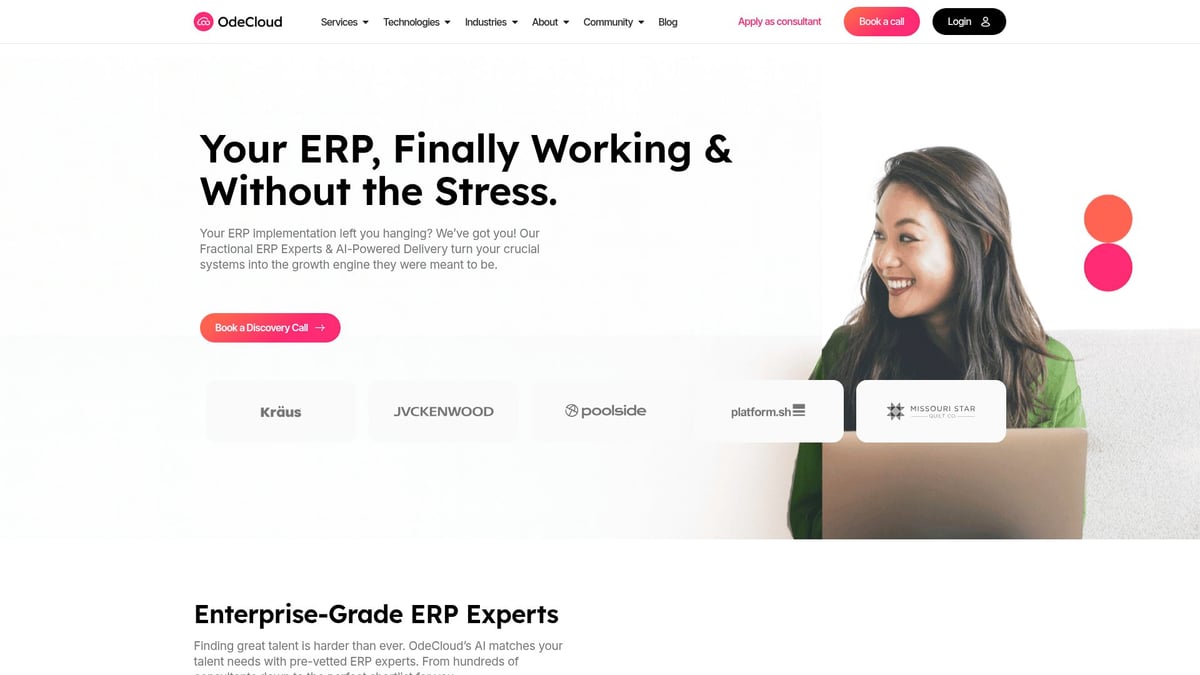
The landscape of business management consulting is undergoing a profound shift as AI powered talent marketplaces emerge as the new standard. With the consulting industry rapidly embracing digital transformation and flexible work models, platforms like OdeCloud are leading the charge. According to the Professional Services Industry Outlook 2026, AI adoption and talent strategies are reshaping how organizations access expertise and drive innovation.
How AI Powered Talent Marketplaces Work
AI powered talent marketplaces are transforming business management consulting by matching organizations with top tier, pre vetted consultants in real time. These platforms analyze project needs, consultant expertise, and industry trends to ensure the perfect fit for every engagement.
For example, OdeCloud leverages advanced algorithms to connect businesses with fractional ERP experts, ensuring rapid project launches and seamless team integration. This model accelerates digital transformation and provides ongoing support for post go live optimization, giving companies a competitive edge in business management consulting.
Virtuous Cycles and Network Effects
A self reinforcing ecosystem is at the heart of AI talent marketplaces. As more consultants and clients participate, network effects increase the value for everyone involved. Collaborative intelligence, knowledge sharing, and best practice exchange become the norm, not the exception.
This approach fosters long term sustainability and value, creating an environment where high quality freelance consultants can thrive. Business management consulting engagements benefit from rapid knowledge transfer, continuous learning, and a culture of improvement. The result is a sustainable business model that adapts to changing market needs.
Real World Impact and Future Outlook
Organizations leveraging OdeCloud’s AI powered marketplace report smoother ERP implementations, managed budgets, and transparent project delivery. By tapping into a self reinforcing ecosystem, they unlock high value work and consistent access to top tier talent.
Looking ahead, business management consulting will continue to evolve as AI and community backed platforms become the go to destination for both clients and consultants. The combination of flexible, on demand expertise and virtuous cycles of learning positions these marketplaces at the forefront of consulting innovation.
As we wrap up this essential guide, it’s clear that navigating the evolving world of business management consulting in 2026 calls for the right expertise and a tailored, technology-driven approach. If you’re ready to streamline your operations, deliver a seamless ERP implementation, or just want a clearer path to business excellence, the next step is simple. You don’t have to figure it all out alone—we’re here to help you launch your project with confidence and clarity. Take the first step and book a call with an expert consultant now.