.
.
Manufacturing in 2026 faces a whirlwind of change, with companies under immense pressure to adapt and thrive in a constantly evolving environment.
Complex supply chains, rapid technology shifts, and heightened regulatory demands are redefining the rules of the game. To stay ahead, manufacturers are turning to manufacturing consulting services as a vital tool for achieving operational excellence, resilience, and long-term growth.
This article is your step-by-step guide to harnessing these services for success. You will discover industry trends, core consulting solutions, how to choose the right partner, strategies for digital transformation, ways to maximize ROI, and how to future-proof your manufacturing operations.
The Manufacturing Landscape in 2026: Trends and Challenges
Manufacturing in 2026 is defined by rapid transformation, presenting both opportunities and challenges. Companies must navigate a landscape shaped by technological change, shifting regulations, and evolving customer needs. Manufacturing consulting services are instrumental in helping businesses adapt, optimize performance, and maintain a competitive edge.
Evolving Global Supply Chains
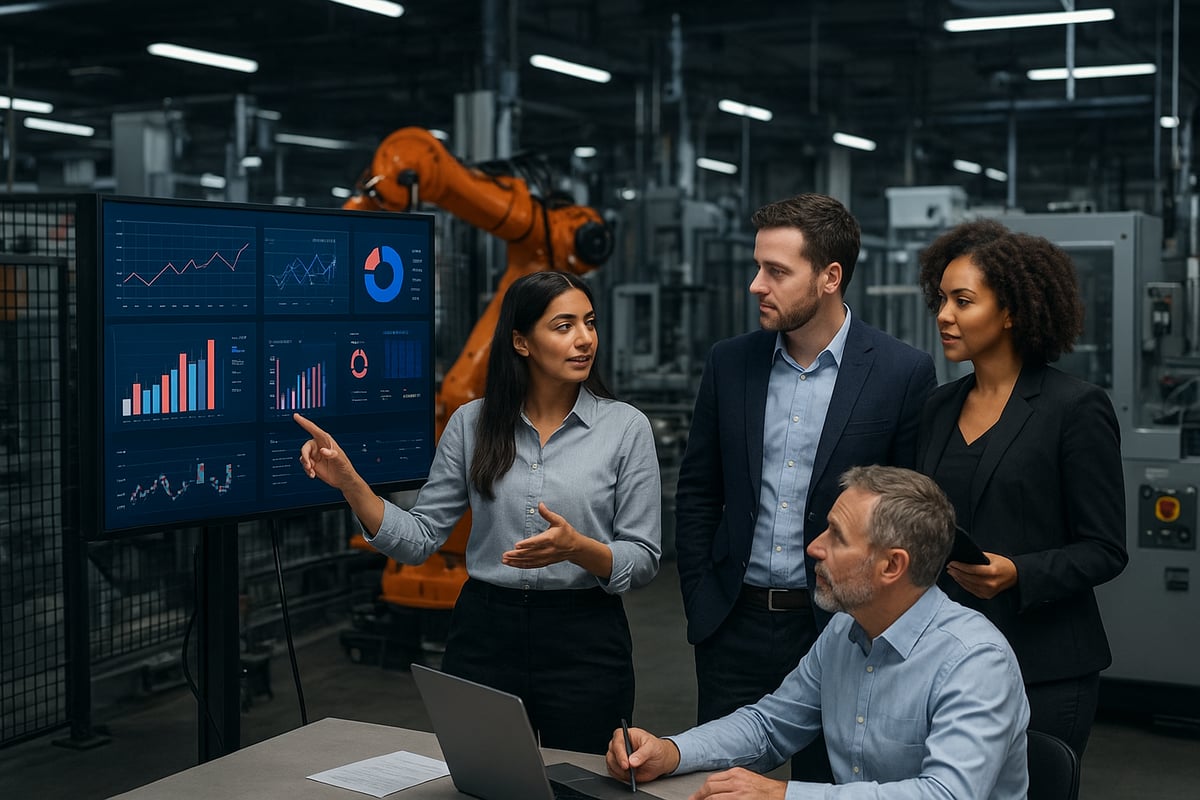
Supply chains are becoming increasingly intricate, requiring greater transparency and adaptability. Geopolitical changes and regionalization are prompting manufacturers to rethink sourcing strategies. For example, disruptions caused by global events have led companies to invest in local and diversified suppliers. According to 6 Defining Manufacturing Trends Of 2026, these trends are reshaping operational models. Manufacturing consulting services support organizations in building virtuous loops of visibility, agility, and resilience.
Technology Acceleration and Digital Adoption
The adoption of AI, machine learning, and automation is accelerating, driving fundamental changes in manufacturing processes. Cloud-based ERP systems and advanced analytics are becoming standard, offering real-time insights and operational agility. Over 70 percent of manufacturers plan to increase investments in digital transformation by 2026. Manufacturing consulting services guide companies through technology selection, implementation, and integration, helping them harness network effects for sustainable business growth.
ESG and Responsible Sourcing Pressures
Environmental, social, and governance (ESG) requirements are now central to manufacturing strategies. Regulators and customers expect transparency in sourcing and ethical labor practices. Companies increasingly track conflict minerals and enforce high standards across their supply chains. Manufacturing consulting services help build ESG frameworks, ensuring compliance and positioning responsible sourcing as a competitive differentiator within the self-reinforcing ecosystem of global manufacturers.
Labor Shortages and Skills Gaps
Attracting and retaining skilled talent remains a persistent challenge for the industry. The skills gap is widening as new technologies emerge. Upskilling and reskilling programs are now vital for long-term sustainability and value creation. Manufacturing consulting services work closely with organizations to develop talent pipelines and foster a culture of continuous learning, ensuring access to top-tier talent and enabling high-value work.
Customer Expectations and Customization
Customers in 2026 demand faster delivery, higher quality, and products tailored to their specific needs. This shift toward customer-centric models requires manufacturers to be agile and responsive. Personalized manufacturing and just-in-time delivery are becoming the norm. Consulting partners help businesses design flexible operations and leverage talent marketplaces to meet evolving expectations efficiently.
Mergers, Acquisitions, and Market Consolidation
The pace of mergers and acquisitions is rising as manufacturers seek scale and competitive advantage. Successful integration is complex, requiring robust due diligence and post-merger alignment. Manufacturing consulting services provide expertise in navigating these transitions, supporting innovation and helping organizations unlock network effects within a broader ecosystem of partners and suppliers.
Data Security and Cyber Threats
Cybersecurity threats are growing in frequency and sophistication, making robust data protection a top priority. Manufacturers face risks from ransomware, data breaches, and operational disruptions. Manufacturing consulting services play a critical role in developing and implementing security strategies that safeguard intellectual property and ensure compliance. By embedding cybersecurity in digital transformation roadmaps, organizations can protect their sustainable business model and maintain operational excellence.
Core Manufacturing Consulting Services for 2026 Success
In 2026, manufacturing consulting services are evolving to address industry complexity, rapid technological change, and the ongoing demands of a globalized market. Manufacturers are seeking consulting partners who deliver actionable solutions, drive measurable improvements, and build self-reinforcing ecosystems of talent and knowledge-sharing. Let us examine the core areas where these services create real value.

Supply Chain Optimization and Management
Modern supply chains are more complex than ever, requiring a new level of agility and transparency. Manufacturing consulting services focus on building resilient supply networks, enhancing supplier relationships, and increasing real-time visibility across production lines.
Consultants help manufacturers:
- Implement advanced forecasting tools to anticipate disruptions
- Optimize inventory to minimize holding costs and shortages
- Streamline logistics for faster, more reliable deliveries
A recent example involves a manufacturer reducing lead times by integrating predictive analytics into its planning cycle, demonstrating the impact of strategic consulting on supply chain performance.
Performance Improvement and Operational Excellence
Operational excellence lies at the heart of sustainable manufacturing. Manufacturing consulting services are instrumental in identifying inefficiencies, redesigning processes, and fostering a culture of continuous improvement.
Key approaches include:
- Lean manufacturing and Six Sigma methodologies
- Custom turnaround projects for underperforming plants
- Waste reduction and throughput enhancement
By partnering with consultants, manufacturers can achieve higher yields, lower costs, and a more adaptive workforce, all of which are critical for long-term competitiveness.
Digital Transformation and Technology Enablement
Digital transformation is now a prerequisite for manufacturing success. Manufacturing consulting services guide businesses through ERP implementations, cloud migrations, and the adoption of AI-driven automation. These projects require technical expertise and industry insight.
For a step-by-step resource on ERP success, see ERP implementation for manufacturers.
Consultants also help:
- Integrate analytics for real-time decision-making
- Deploy IoT solutions to monitor and optimize operations
- Build digital readiness across teams
The right partner accelerates transformation and ensures technology investments deliver measurable returns.
ESG, Compliance, and Responsible Sourcing
Environmental, social, and governance (ESG) standards are now central to manufacturing strategy. Manufacturing consulting services support companies in building ESG frameworks, achieving compliance, and embedding responsible sourcing across supply chains.
Consultants provide:
- Tools for tracking sustainability and ethical sourcing
- Support with regulatory audits and reporting
- Strategies for mitigating ESG-related risks
By elevating ESG performance, manufacturers can differentiate themselves and build trust with partners and customers.
Pricing Analysis and Profitability Enhancement
Profitability in manufacturing depends on precise pricing and margin control. Manufacturing consulting services use data-driven models to identify optimal pricing strategies and maximize returns.
Core offerings include:
- Market-responsive pricing analysis
- Margin improvement initiatives
- Competitor benchmarking
Consultants enable manufacturers to adapt pricing quickly, protect margins, and respond to shifting demand, making profitability more resilient in volatile markets.
M&A and Innovation Services
Mergers, acquisitions, and innovation are shaping the future of manufacturing. Consulting services support every stage of the M&A process, from due diligence to integration, ensuring deals create sustainable value.
Innovation consulting also helps:
- Identify market opportunities and technology trends
- Foster collaborative ecosystems for high-value work
- Accelerate time-to-market for new products
With the right consulting partner, manufacturers can harness network effects and build virtuous cycles of growth and learning.
Choosing the Right Manufacturing Consulting Partner
Selecting the ideal partner for manufacturing consulting services can be a pivotal decision for future growth. The right consulting firm brings more than expertise; it becomes a catalyst for virtuous loops of innovation, network effects, and sustainable value creation within your operations.
Assessing Industry Expertise and Track Record
Industry-specific experience is non-negotiable when evaluating manufacturing consulting services. Look for partners who have deep roots in your sector—metals, agribusiness, packaging, automotive, chemicals, or machinery. Proven results matter: review case studies and client testimonials to gauge their impact. Trusted partners often share insights openly, so exploring Manufacturing industry insights can help you benchmark a firm’s value proposition and reputation.
Evaluating Consulting Methodologies and Approach
The strength of manufacturing consulting services lies in tailored, human-centered methodologies. Avoid firms that offer generic solutions. Instead, seek partners who demonstrate creativity and flexibility in crafting strategies for your unique challenges. Consider how they collaborate, adapt, and innovate, ensuring their approach aligns with your organization's culture and goals.
Integration with Internal Teams and Change Management
Successful manufacturing consulting services seamlessly embed consultants within your teams. This integration supports knowledge-sharing and drives high-value work during transformation journeys. Effective partners help overcome resistance, build trust, and foster a collaborative spirit, paving the way for a self-reinforcing ecosystem of continuous improvement.
Technology Competence and Digital Fluency
Digital transformation is at the core of modern manufacturing consulting services. Partners must have demonstrable depth in ERP, AI, cloud, and analytics. Ask for real-world examples where technology enablement led to measurable gains. Top-tier talent will not only implement tools but also ensure your team is empowered to maximize their potential for sustainable business model advantages.
Transparency, Communication, and Accountability
Transparency and accountability are foundational in manufacturing consulting services. Look for firms that offer managed budgets, clear timelines, and full visibility into project milestones. Open and honest communication ensures alignment and trust. Ultimately, the best partners deliver measurable outcomes and foster long-term sustainability and value for your manufacturing operations.
Driving Digital Transformation in Manufacturing: Step-by-Step Guide
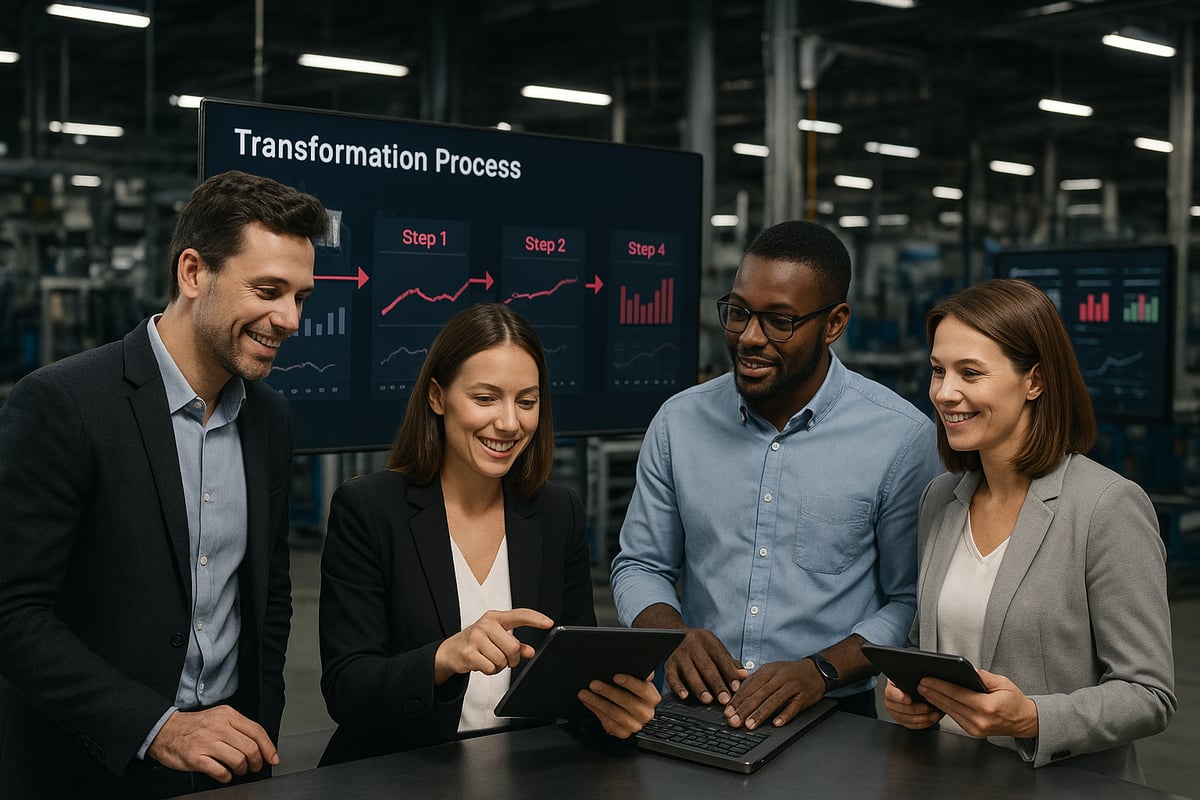
Digital transformation is now at the core of manufacturing consulting services. Companies that embrace a clear, guided approach will unlock operational excellence, resilience, and sustainable growth. This step-by-step guide empowers manufacturers to leverage self-reinforcing ecosystems, drive long-term value, and position themselves as leaders in a rapidly shifting landscape.
Step 1: Digital Readiness Assessment
Begin by evaluating your organization's digital maturity. Assess current systems, processes, and workforce skills. A thorough readiness assessment guides manufacturing consulting services to pinpoint strengths and identify technology gaps.
- Benchmark performance against industry leaders
- Map existing digital assets and infrastructure
- Identify key areas for rapid improvement
This step lays the foundation for a sustainable business model and sets the stage for virtuous cycles of innovation.
Step 2: Defining Transformation Goals and KPIs
Set clear, measurable objectives aligned with strategic business priorities. Manufacturing consulting services help define transformation goals that drive value and align with customer needs.
- Examples: Reduce order cycle time, boost automation rates, enhance supply chain visibility
- Establish KPIs for each goal, such as on-time delivery or waste reduction
- Ensure goals support long-term sustainability and value creation
Well-defined targets foster accountability and keep teams focused on results.
Step 3: Selecting and Implementing the Right Technologies
Choose technologies that match your manufacturing needs and future ambitions. Manufacturing consulting services guide businesses through ERP selection, AI integration, and cloud migration.
- Evaluate ERP, analytics, and IoT platforms for compatibility and scalability
- Plan phased rollouts to minimize disruption
- Leverage digital transformation strategies for expert guidance on technology enablement
A successful implementation unlocks network effects and empowers top-tier talent to deliver high-value work.
Step 4: Building Cross-Functional Teams and Skills
Transformation thrives on collaboration. Engage IT, operations, finance, and supply chain teams to break silos and maximize knowledge-sharing.
- Invest in upskilling and reskilling programs
- Foster a culture of collaborative intelligence and continuous learning
- Encourage participation in talent marketplaces to access specialized skills
Manufacturing consulting services facilitate ecosystem partnerships that reinforce long-term sustainability.
Step 5: Ensuring Data Integrity and Cybersecurity
Data security is non-negotiable in digital manufacturing. Establish robust governance and protection frameworks with support from manufacturing consulting services.
- Implement layered cybersecurity protocols
- Regularly back up and audit critical data
- Train teams on cyber hygiene and compliance requirements
Proactive risk management ensures business continuity and builds trust with stakeholders.
Step 6: Continuous Monitoring and Improvement
Drive ongoing performance optimization through advanced analytics and real-time feedback. Manufacturing consulting services help set up self-reinforcing loops for operational excellence.
- Monitor KPIs and adjust strategies as needed
- Use dashboards to visualize progress and identify bottlenecks
- Encourage regular cross-team reviews to share insights
This approach ensures agility and responsiveness in a changing environment.
Step 7: Scaling and Sustaining Digital Initiatives
Sustain momentum by embedding innovation into daily operations. As digital capabilities mature, manufacturing consulting services support the scaling of successful pilots across the enterprise.
- Create feedback systems for iterative improvement
- Build a self-reinforcing ecosystem of partners and freelance consultants
- Leverage network effects for greater business impact
Manufacturers that embrace these steps become go-to destinations for high-quality freelance consultants and set the pace for industry growth.
Maximizing ROI from Manufacturing Consulting Engagements
Maximizing ROI from manufacturing consulting services requires a deliberate, structured approach. Companies that clearly define their goals, foster knowledge-sharing, leverage talent marketplaces, and focus on long-term value consistently outperform those that do not.
Setting Clear Objectives and Success Metrics
The foundation for strong ROI in manufacturing consulting services is clarity. Leaders must articulate precise project objectives and align them with measurable success metrics. This includes defining expected outcomes, setting benchmarks, and communicating them across stakeholders. When everyone understands the desired results, consultants can deliver targeted solutions that drive operational excellence and measurable improvements.
Collaborative Knowledge-Sharing and Ecosystem Building
Building a self-reinforcing ecosystem of internal and external experts is essential for long-term sustainability and value. By encouraging open knowledge-sharing, companies unlock collaborative intelligence and foster virtuous cycles of innovation. Leveraging operations management consulting explained can help teams create frameworks for ongoing process optimization and shared learning, ensuring high-value work becomes the norm.
Leveraging Talent Marketplaces for Top-Tier Expertise
Manufacturing consulting services are most impactful when organizations have access to top-tier talent. Talent marketplaces connect businesses with high-quality freelance consultants who bring specialized skills and fresh perspectives. These platforms enable rapid response to skill gaps and evolving project needs, positioning firms as go-to destinations for high-value consultants. This agile access to expertise fuels sustainable business models and accelerates innovation.
Ensuring Sustainable Value and Long-Term Impact
To unlock sustained performance gains, companies must embed continuous improvement into their culture. Ongoing partnerships with manufacturing consulting services drive long-term success by reinforcing positive feedback loops. Case studies consistently show that organizations prioritizing operational excellence and ecosystem collaboration achieve greater resilience and adaptability. For additional insight, explore how AI and Agility Top the List of Critical Trends for manufacturers aiming to remain competitive.
Monitoring, Reporting, and Course Correction
Regular project reviews and transparent reporting are vital for maximizing consulting ROI. Companies should establish clear monitoring processes, use data-driven decision-making, and remain agile in adjusting their strategies. This approach ensures that manufacturing consulting services deliver measurable outcomes and support continuous value creation across the ecosystem.
Future-Proofing Manufacturing Operations: Building Resilience and Agility
Staying competitive in 2026 requires manufacturers to build resilience and agility at every level. In this demanding environment, manufacturing consulting services are essential for creating virtuous loops that reinforce growth, adaptability, and long-term sustainability. By embracing network effects, nurturing talent, prioritizing ESG, and leveraging technology, organizations can future-proof their operations and secure a sustainable business model.
Embracing Network Effects and Ecosystem Partnerships
Modern manufacturing thrives when companies collaborate across a self-reinforcing ecosystem. Manufacturing consulting services help organizations unlock network effects by connecting suppliers, technology providers, and high-value freelance consultants. These partnerships accelerate innovation and create virtuous cycles of shared knowledge and resources.
By participating in an ecosystem, each stakeholder increases the value for all. For example, sharing best practices or co-developing solutions with consultants can rapidly improve operational efficiency. As more partners join, the benefits multiply, leading the charge toward industry leadership.
Investing in Workforce Development and Talent Pipelines
Securing top-tier talent is a cornerstone of resilience. Manufacturing consulting services guide businesses in building robust pipelines for both internal and external expertise. Through targeted upskilling, apprenticeships, and engagement with talent marketplaces, companies can address skills gaps and empower teams for high-value work.
Freelancers benefit from greater earning potential and knowledge-sharing, while organizations gain access to specialized capabilities precisely when needed. This virtuous cycle ensures long-term sustainability and value for all ecosystem participants.
Advancing ESG and Sustainability Initiatives
Manufacturers face rising expectations to integrate ESG principles into core strategy. Manufacturing consulting services play a crucial role in helping companies design frameworks for environmental, social, and governance compliance, as well as implement responsible sourcing practices.
By tracking sustainability metrics and ensuring ethical standards throughout the supply chain, organizations enhance their reputation and meet regulatory demands. Consultants enable businesses to move beyond compliance, turning ESG into a competitive differentiator and a foundation for long-term success.
Fostering a Culture of Continuous Innovation
A culture of experimentation and knowledge-sharing is vital for ongoing growth. Manufacturing consulting services facilitate collaborative intelligence, encouraging teams to iterate rapidly and pursue high-value projects. This approach creates a self-reinforcing ecosystem where innovation becomes second nature.
Consultants often introduce new methodologies, such as agile project management or open innovation platforms, that help teams capture emerging opportunities. Drawing inspiration from research like Industry 6.0: New Generation of Industry driven by Generative AI and Swarm of Heterogeneous Robots, manufacturers can stay ahead by adopting cutting-edge tools and insights.
Enhancing Operational Flexibility and Risk Management
Operational agility is essential for handling market volatility, supply disruptions, and cyber threats. Manufacturing consulting services support organizations in building robust risk management frameworks and flexible operating models.
Practical strategies include:
- Diversifying supplier networks
- Implementing real-time monitoring systems
- Developing scenario planning capabilities
These measures enable rapid adaptation to disruptive events, reducing downtime and safeguarding business continuity.
Harnessing Technology for Long-Term Competitiveness
Adopting advanced technologies is no longer optional. Manufacturing consulting services help companies identify and implement solutions such as AI, automation, and advanced analytics for sustained competitive advantage. The right technology investments support a sustainable business model and amplify network effects within the ecosystem.
Industry reports like the Report: 10 Trends Defining Manufacturing in 2026 highlight how digital transformation is shaping the future. By staying informed and leveraging expert guidance, manufacturers can ensure their operations remain resilient and future-ready.
As we’ve explored, achieving manufacturing excellence in 2026 means staying ahead of trends, leveraging the right technology, and partnering with experts who truly understand your unique challenges. If you’re ready to maximize ROI and future proof your operations with confidence, the right support makes all the difference. Let’s take the next step together—whether you’re navigating post go live ERP projects or seeking tailored solutions for operational growth, you don’t have to do it alone. For personalized guidance and a seamless consulting experience, book a call with an expert consultant now.