.
.
Imagine a world in 2026 where consulting and technology work hand in hand, unlocking new levels of business growth and innovation. Leaders, consultants, and tech professionals are navigating a landscape defined by rapid change and opportunity.
This guide reveals how consulting and technology are transforming organizations, careers, and entire industries. You will discover the latest trends, strategies, and practical tools shaping the future, designed to empower you for long-term success.
We will explore emerging technologies, new consulting models, industry applications, talent ecosystems, and offer actionable steps to help you thrive. The future belongs to those ready to embrace change, learn, and lead with confidence.
The Evolution of Consulting and Technology: What’s Changing in 2026
The landscape of consulting and technology is undergoing a profound transformation as we approach 2026. Organizations now view these two forces not as separate entities but as a unified engine for business growth, innovation, and resilience. The rise of self-reinforcing ecosystems, knowledge-sharing, and agile models is redefining how value is created and sustained. In this section, we explore what is fundamentally changing in the world of consulting and technology.
The New Consulting Paradigm: Strategy, Technology, and People
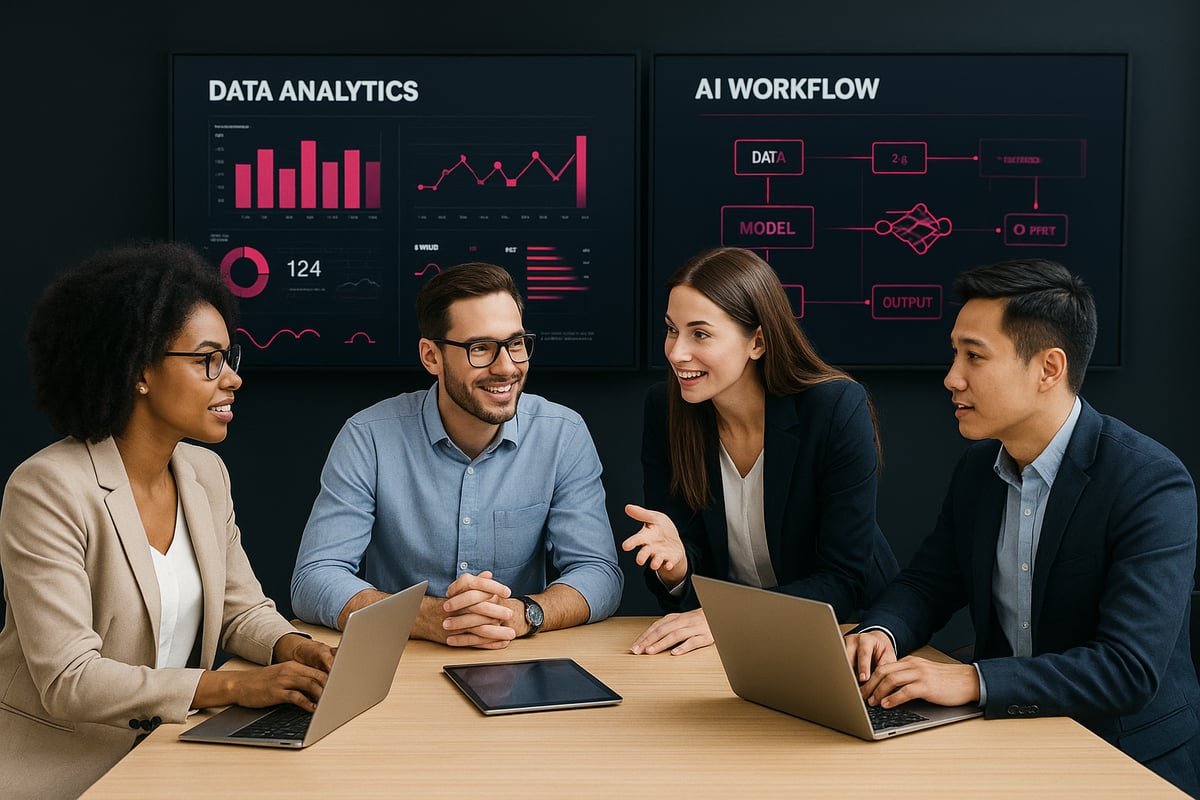
In 2026, consulting and technology are inseparable, blending AI, data analytics, and human expertise into every client engagement. The new consulting paradigm focuses on reimagining business models for digital-first markets, where technology is a primary lever for value creation.
Consulting firms now prioritize strategies that embed technology at the core, treating it as equal to talent and capital. People-centric change management is critical, ensuring that transformations stick and deliver measurable outcomes. For example, 97% of executives agree technology is vital to reinvention strategies, according to Accenture.
Traditional consulting models are giving way to agile, cross-functional teams that adapt quickly to changing client needs. Firms are becoming orchestrators of ecosystems, forging partnerships across technology vendors, startups, and industry leaders. The result is a self-reinforcing ecosystem that drives long-term sustainability and value for clients, consultants, and communities alike.
Key Technology Trends Reshaping Consulting
The consulting and technology landscape is being reshaped by several key trends. Generative AI, agentic architectures, and advanced analytics are now mainstream, enabling consultants to deliver faster and more accurate solutions. Cloud computing, cybersecurity, and digital engineering have become foundational capabilities for every consulting firm.
Technology fluency has become a C-suite requirement, driving demand for leaders who can bridge business and technology. Real-world impact is evident: companies like Merck and McKinsey have reduced clinical-reporting time by 55% using generative AI. Data ubiquity and privacy are emerging as competitive differentiators, as organizations embed ethical data practices into their core.
Sustainability and ESG metrics are increasingly driven by tech innovation. Platforms that integrate sustainability reporting and resource optimization are gaining traction. For a deeper dive into the intersection of these trends, explore Technology and Consulting Integration, which highlights how strategy and technology are converging to drive industry growth.
The Rise of Self-Reinforcing Ecosystems and Network Effects
Consulting and technology platforms are now building self-reinforcing ecosystems that create long-term value through network effects. As more businesses, consultants, and freelancers join these platforms, the value for each participant increases exponentially.
Knowledge-sharing is at the heart of this virtuous cycle. Collaborative intelligence, built through peer-to-peer learning and shared best practices, accelerates innovation and project success. For instance, QuantumBlack’s collaborative AI engineering model enables rapid, scalable impact by bringing together diverse talent and expertise.
These ecosystems are becoming the go-to destination for high-quality freelance consultants and top-tier talent. As the platforms grow, they reinforce their own value, ensuring a sustainable business model and high-value work for all involved. The future of consulting and technology is about building communities where knowledge, opportunity, and innovation thrive.
Building a Future-Proof Technology Strategy
In 2026, consulting and technology have become inseparable in shaping sustainable business growth. Organizations are redefining how they approach strategy, operations, and innovation by making technology central to every decision. This shift not only future-proofs businesses but also unlocks new value through self-reinforcing ecosystems and collaborative intelligence.

Embedding Technology at the Core of Business Strategy
Consulting and technology are now the foundation of every forward-thinking business strategy. Leaders no longer see technology as a support function, but as a strategic input equal to talent and capital. This mindset encourages organizations to align business goals with digital capabilities, creating robust product and platform strategies that reinvent customer and employee experiences.
A growing number of companies are advancing their strategy development to integrate technology meaningfully. For example, 21 percent of organizations have already taken steps to weave digital tools into their core planning processes. This approach empowers bolder, more diverse growth options and positions consulting and technology as a primary lever for value creation.
Successful organizations are embracing data-driven decision-making as the new norm. They use real-time analytics to optimize operations and predict market shifts. As outlined in the Top 10 Consulting Industry Trends in 2026, digital transformation and AI integration are at the heart of this evolution, enabling leaders to stay agile and competitive.
Stabilizing the Digital Core for Sustainable Growth
Long-term sustainability and value depend on a resilient digital core. Consulting and technology experts guide organizations to build scalable digital and data architectures that support both current operations and future growth. Cloud migration and modernization are foundational steps, unlocking value from internal and external data sources.
Operational excellence increasingly relies on real-time analytics and robust cybersecurity measures. Companies are prioritizing privacy and trust, making these elements essential for competitiveness in a rapidly changing environment. Consulting and technology specialists help design digital cores that withstand disruption and adapt to evolving business needs.
Collaboration with ecosystem partners accelerates this process. For instance, organizations like PPL Corporation have partnered with technology consulting leaders to gain deep insights into tech spending and optimize investments. This collaborative approach ensures businesses can thrive in a self-reinforcing ecosystem, where knowledge-sharing and network effects drive continuous improvement.
Fully Embracing AI and Emerging Technologies
The rapid adoption of AI and emerging technologies is reshaping consulting and technology delivery models. Generative AI transforms not only business operations but also how consulting services are provided, offering new tools for automation and insight generation. AI-powered products such as Horizon and Periscope deliver faster results, supporting organizations in measuring and scaling innovation.
Agentic architectures automate routine tasks, freeing up capital and human resources for more strategic initiatives. This shift enables consulting and technology professionals to focus on high-value work and creative problem-solving. AI-driven platforms foster continuous learning and adaptation, building a culture of collaborative intelligence.
Real-world examples illustrate the impact of this transformation. Aviva’s AI-driven claims process delivers more accurate outcomes and improved customer satisfaction. As organizations fully embrace the possibilities of consulting and technology, they position themselves at the forefront of industry reinvention and long-term sustainability.
The Talent Marketplace and the Power of Knowledge-Sharing
In the dynamic landscape of consulting and technology, talent marketplaces are rapidly transforming how organizations and professionals connect, collaborate, and create value. These platforms form the backbone of modern consulting and technology ecosystems, enabling a virtuous cycle of growth, innovation, and opportunity for all participants.
The Rise of Talent Marketplaces and Ecosystem Platforms
Talent marketplaces have emerged as the go-to destination for high-quality freelance consultants seeking opportunities in consulting and technology. These platforms act as self-reinforcing ecosystems, where the presence of top-tier talent attracts more clients and projects, further increasing the value for everyone involved.
As more businesses and professionals join, network effects amplify the benefits, making it easier to access high-value work and specialized expertise. Platforms like OdeCloud curate, vet, and match talent to projects efficiently, leveraging AI to ensure the right fit and rapid project starts.
For a deeper look at how these ecosystems operate and why they are reshaping the consulting and technology landscape, explore Consultant Platform Ecosystems.
OdeCloud: Enabling Fractional ERP Expertise and Ecosystem Collaboration
OdeCloud stands out by connecting organizations with fractional ERP experts, making it easier to access specialized skills for post go live projects. Its AI-powered platform matches client needs with pre-vetted consultants, ensuring rapid launches and consistent quality in consulting and technology initiatives.
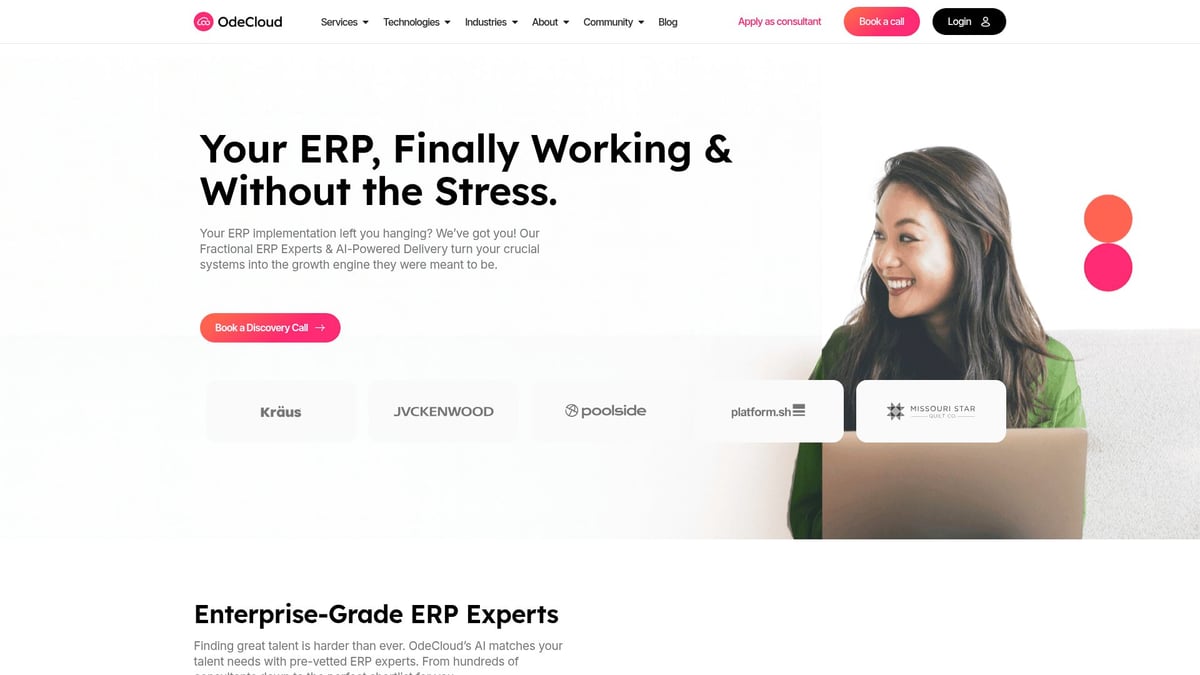
With a community of over 500 ERP professionals, OdeCloud fosters collaborative problem-solving and knowledge-sharing, which strengthens the self-reinforcing ecosystem. Clients benefit from managed budgets and transparent reporting, while consultants gain exposure to high-value work and long-term relationships.
OdeCloud’s sustainable business model exemplifies how consulting and technology platforms can drive continuous value and innovation for both clients and freelancers.
Knowledge-Sharing as a Driver of Long-Term Sustainability and Value
Knowledge-sharing has become a cornerstone of long-term sustainability in consulting and technology. When professionals exchange insights and best practices, the entire ecosystem benefits from faster learning and improved project outcomes.
Collaborative intelligence helps teams solve complex problems, while peer-to-peer learning increases efficiency and sparks innovation. Platforms like OdeCloud and the McKinsey community demonstrate that shared knowledge reinforces platform value, making these networks more attractive to both clients and top-tier talent.
As more participants contribute their expertise, consulting and technology platforms become powerful engines for collective growth. This virtuous cycle ensures that knowledge-sharing is not just a feature, but a primary driver of industry advancement.
Earning Potential and Professional Development for Freelancers
Freelancers in consulting and technology enjoy unprecedented earning potential within these talent marketplaces. Regular access to high-value projects is possible thanks to the self-reinforcing ecosystem, where knowledge-sharing and collaboration are rewarded.
Opportunities for skill growth, certification, and reputation building are readily available. Participation in knowledge-sharing networks not only enhances personal development but also increases exposure to new clients and challenging projects.
The result is a sustainable business model that empowers independent professionals to thrive. By engaging in collaborative communities and continuous learning, freelancers position themselves for long-term success in consulting and technology.
Consulting and Technology by Industry: Applications and Impact in 2026
Across every sector, consulting and technology are driving a new era of transformation. Industry leaders are embracing digital change, building self-reinforcing ecosystems, and unlocking long-term sustainability and value through knowledge-sharing and collaboration. Let us explore how these forces are reshaping industries, ESG performance, and the very nature of partnerships.

Industry-Specific Transformation through Consulting and Technology
In 2026, consulting and technology are fundamentally changing how industries operate, compete, and grow. Life sciences organizations use AI to accelerate drug discovery and streamline clinical reporting, as seen in the Merck and McKinsey partnership. Financial services firms leverage digital ecosystems to deliver personalized banking and expand product offerings, while insurance companies automate claims for faster, more accurate results.
Telecommunications providers focus on AI-powered upskilling and workforce transformation, preparing employees for digital-first markets. Manufacturing leaders are adopting digital engineering, smart factories, and supply chain optimization, all powered by advanced consulting and technology solutions. Retailers and consumer goods brands now use AI assistants and omnichannel strategies to personalize customer experiences, as with Karaca.
The public sector is not left behind. Governments employ digital transformation to enhance efficiency and citizen engagement. For organizations seeking deeper insight into technology-driven consulting in ERP and manufacturing, ERP Software Consulting Insights offers practical examples and strategies that highlight the power of industry-specific innovation.
ESG, Sustainability, and Resilience as Strategic Imperatives
Today, ESG performance is no longer a compliance checkbox, but a strategic driver of competitive advantage. Consulting and technology teams are at the forefront, helping companies achieve higher ESG scores and build adaptive resilience into their operations. Tech-forward organizations are measurable leaders, with Accenture research showing they score 1.2 times higher on ESG metrics.
AI-powered platforms now enable real-time sustainability reporting and resource optimization, allowing businesses to track carbon footprints, manage supply chain risks, and demonstrate transparency to stakeholders. The environmental impact of AI data centers has prompted a shift toward sustainable AI architectures, balancing innovation with responsible resource use.
Resilience is also central. By building robust digital cores and agile operating models, companies can adapt quickly to disruptions and market changes. Consulting and technology experts guide organizations in integrating sustainability into every layer of the business, ensuring long-term sustainability and value for both shareholders and society.
The Role of Ecosystem Partners and Alliances
Ecosystem partnerships are redefining how consulting and technology solutions are delivered and scaled. Leading firms act as orchestrators, bringing together technology vendors, startups, and industry specialists to co-innovate and solve complex challenges. This networked approach creates powerful network effects, where the value of each participant grows as more join the ecosystem.
Global alliances allow consulting and technology teams to deliver seamless transformation across regions and industries. For example, McKinsey’s global partnerships in tech and AI enable rapid deployment of best-in-class solutions to clients worldwide. These alliances foster knowledge-sharing, accelerate learning, and enable access to high-value work for top-tier talent.
By participating in these self-reinforcing ecosystems, organizations and professionals tap into a sustainable business model that drives continuous growth, innovation, and competitive advantage.
Actionable Steps: Thriving in Consulting and Technology in 2026
Adapting to the rapidly evolving landscape of consulting and technology requires a clear, step-by-step approach. Leaders, consultants, and professionals must embrace change, build digital fluency, and foster self-reinforcing ecosystems to secure long-term sustainability and value.
Step 1: Assess Your Organization’s Digital Maturity
Begin by evaluating your current position in the consulting and technology spectrum. Analyze technology adoption rates, strategic alignment, and workforce capabilities.
- Map out strengths and weaknesses in digital infrastructure.
- Identify gaps in data architecture and cybersecurity.
- Engage teams in honest self-assessment to reveal improvement areas.
A transparent evaluation sets the foundation for a resilient, future-proof strategy in consulting and technology.
Step 2: Define a Technology-Driven Growth Strategy
Set clear, measurable business goals with technology as the central enabler. Prioritize initiatives that align with your value streams.
- Identify key digital projects with high impact potential.
- Allocate resources to both innovation and core operations.
- Monitor market trends to stay ahead.
As the global technology consulting market is projected to surpass $400 billion in 2026, leaders who define bold, tech-driven strategies will thrive in consulting and technology.
Step 3: Build or Join High-Value Ecosystems
Participate in talent marketplaces and collaborative platforms to unlock network effects. These self-reinforcing ecosystems connect top-tier talent with high-value work and clients.
- Seek out platforms known as go-to destinations for quality consultants.
- Contribute to knowledge-sharing and collaborative problem-solving.
- Leverage network effects for greater opportunity.
Building or joining these ecosystems is crucial for long-term sustainability and value in consulting and technology.
Step 4: Embrace AI and Advanced Analytics
Leverage generative AI, agentic architectures, and real-time analytics to optimize operations and decision-making.
- Pilot AI solutions across business functions.
- Invest in advanced analytics for actionable insights.
- Automate routine tasks to focus on innovation.
For deeper insights, explore AI’s impact on strategic technology management to understand how data-driven alignment can enhance consulting and technology outcomes.
Step 5: Prioritize ESG and Sustainable Practices
Integrate ESG goals and sustainable practices into your technology strategy. Use AI-powered platforms for enhanced sustainability reporting and resource optimization.
- Track and measure ESG performance regularly.
- Empower teams to identify and implement green initiatives.
- Build adaptive, resilient digital cores for future challenges.
Making ESG a strategic imperative ensures consulting and technology efforts deliver long-term value.
Step 6: Upskill Leadership and Workforce for Tech Fluency
Empower leaders and teams to master emerging technologies. Continuous learning and professional development are critical in consulting and technology.
- Offer training in AI, cloud, and cybersecurity.
- Encourage cross-functional collaboration and peer learning.
- Promote certifications and skill advancement.
A tech-fluent workforce drives innovation, efficiency, and sustainable business models.
Step 7: Measure and Iterate for Long-Term Value
Implement transparent reporting and analytics to track progress on all initiatives. Use data and feedback to refine strategies.
- Set KPIs aligned with business goals.
- Review results regularly with stakeholders.
- Adapt quickly to evolving trends and market demands.
Iterative improvement is at the heart of success in consulting and technology.
The Future Outlook: Consulting, Technology, and the Virtuous Cycle
In 2026, consulting and technology are shaping a powerful future where interconnected ecosystems drive value for all participants. The virtuous cycle created by these platforms is transforming industries, careers, and organizations. As more people and businesses join, the potential for innovation and growth multiplies, reinforcing long-term sustainability and value.
The Self-Reinforcing Cycle of Innovation and Value Creation
Consulting and technology platforms are built on self-reinforcing ecosystems where every new participant adds value. As top-tier talent and businesses come together, network effects take hold. The more people contribute knowledge, the stronger the community becomes.
Knowledge-sharing accelerates learning and problem-solving. Peer-to-peer support and open collaboration ensure that expertise grows, not just for individuals but for the entire ecosystem. This cycle of value creation leads to better project outcomes and attracts even more high-quality freelance consultants.
The result is a sustainable business model that benefits everyone involved. For a deeper look at how fractional experts drive these cycles, see Understanding Fractional ERP Experts.
Consulting and Technology as Catalysts for Industry Reinvention
Consulting and technology are leading the charge in digital transformation across every sector. Ecosystem platforms and talent marketplaces have become the go-to destinations for high-value work and collaborative problem-solving.
AI-driven solutions are unlocking new approaches in healthcare, finance, retail, and beyond. For example, innovations in AI agents are revolutionizing patient care and health systems, as detailed in AI Agents and Tech Transforming Health Care in 2026. These advances showcase the power of consulting and technology to reshape industries and deliver measurable impact.
The orchestration of partnerships, platforms, and people is enabling organizations to adapt quickly, build resilience, and stay ahead of change. This environment rewards those who engage in continuous learning and ecosystem participation.
Key Takeaways and Predictions for 2026
The future of consulting and technology is defined by virtuous loops, network effects, and knowledge-sharing. As talent marketplaces expand, access to high-value work and collaborative intelligence will increase for both freelancers and organizations.
Key predictions for 2026:
- Consulting and technology will be inseparable drivers of business growth.
- Ecosystem platforms will become essential for long-term sustainability and value.
- Professionals who invest in adaptability, learning, and knowledge-sharing will thrive.
- Industry reinvention will be accelerated by AI, digital platforms, and collaborative ecosystems.
Embracing consulting and technology is not just a trend, but a necessity for future success. Those who build strong networks and participate in this self-reinforcing ecosystem will lead in the years ahead.
As you consider how consulting and technology are converging to reshape the business landscape in 2026, it's clear that staying ahead means engaging with experts who understand both the technical and strategic sides of transformation. Whether you're navigating a recent ERP implementation or looking to streamline your operations for greater efficiency, having the right guidance is invaluable. OdeCloud connects you with fractional ERP specialists who bring proven expertise and innovative AI-powered solutions to your unique needs. If you're ready to accelerate your next project and gain a competitive edge, book a call with an expert consultant now.