.
.
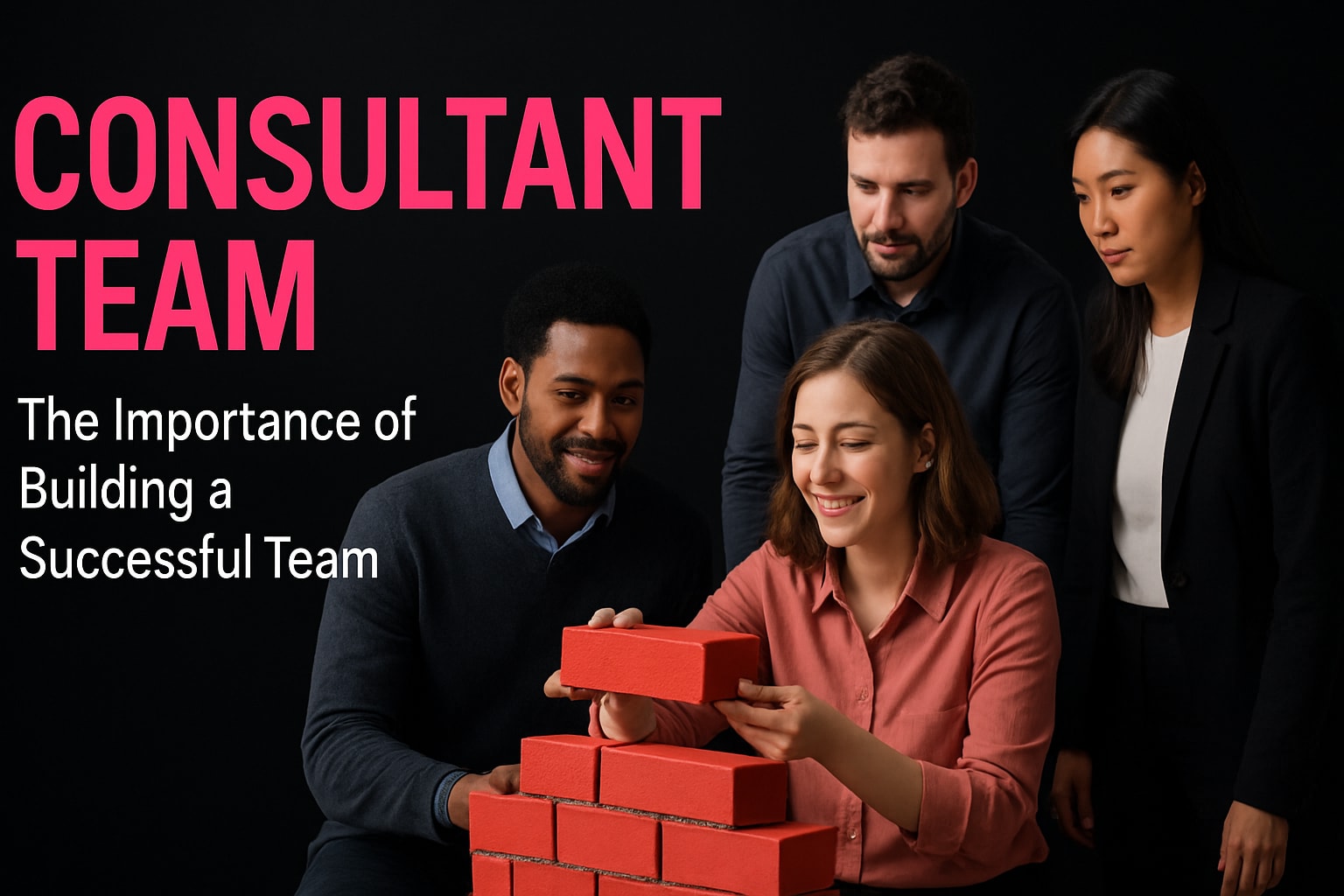
The consulting industry in 2026 is more complex and competitive than ever, requiring every consultant team to adapt quickly and deliver exceptional results. Staying ahead means not just keeping up with trends, but building a consultant team that can thrive in a fast-changing market.
This essential guide will show you how to define your consultant team’s vision, attract top-tier talent, foster collaboration, harness technology, and create a self-reinforcing ecosystem for long-term sustainability and value.
Are you ready to unlock the strategies that will make your consultant team the go-to destination for high-quality freelance consultants? Dive in and start leading the charge toward sustainable growth and industry leadership.
Defining Your Consultant Team’s Vision and Strategy
A compelling vision and robust strategy are the backbone of every successful consultant team. This foundation not only attracts top-tier talent but also drives consistent, high-value results for clients. In this section, we break down the key steps to establish your consultant team’s purpose, strengths, measurement metrics, and business model for sustainable success.

Clarifying Purpose and Long-Term Goals
Every consultant team needs a clear mission statement and set of core values. These elements shape culture and ensure alignment with both client needs and emerging market trends. Begin by defining what the team stands for and how it aims to impact clients in measurable ways, such as revenue growth or operational efficiency.
Teams with a well-articulated purpose attract 30% more high-value projects, according to Consultport data. This clarity sets your consultant team apart in a crowded marketplace. Consistent buy-in from every member is essential, creating a unified direction and self-reinforcing ecosystem. For foundational advice, explore the Starting a Consulting Firm Guide.
Identifying Core Competencies and Service Offerings
The next step is to inventory existing skills and expertise within your consultant team. Map these capabilities against current market demand to identify high-value niches for your service portfolio. Focusing on areas where your team excels, such as digital transformation or sustainability, prevents overextension and supports long-term growth.
Industry reports show consultant teams specializing in digital transformation experienced 40% higher growth in 2025. Prioritize depth over breadth by highlighting unique strengths. This approach positions your consultant team as the go-to destination for clients seeking specialized, high-impact results.
Setting KPIs and Success Metrics
Establishing clear KPIs is critical for tracking both team and individual performance. Common metrics include client satisfaction scores, project delivery times, and repeat business rates. Use these indicators to measure progress, identify improvement areas, and adjust strategy for optimal results.
Data-driven insights empower your consultant team to benchmark against industry standards and foster a culture of accountability. Regularly review performance data to ensure alignment with objectives. Transparent metrics also build trust with clients and reinforce your team’s reputation for excellence.
Creating a Sustainable Business Model
A sustainable business model secures your consultant team’s long-term value and stability. Consider structuring engagements as retainers or fractional models to create recurring revenue streams. This approach balances quick wins with enduring client relationships, driving consistent growth.
Teams leveraging recurring revenue models report 50% more stability, according to Consultport surveys. Building virtuous cycles of referrals and repeat business transforms your consultant team into a self-reinforcing ecosystem. Focus on solutions that deliver lasting impact, ensuring your team remains the preferred choice in a dynamic consulting market.
Attracting and Selecting Top-Tier Consulting Talent
Attracting top-tier talent is the cornerstone of every thriving consultant team. The process requires strategic sourcing, thorough evaluation, seamless integration, and a focus on long-term engagement. By establishing a self-reinforcing ecosystem, your consultant team becomes the go-to destination for high-quality freelance consultants and consistently delivers long-term sustainability and value.

Sourcing High-Quality Consultants
A successful consultant team begins with smart sourcing. Tap into personal networks, specialized talent marketplaces, and referrals to find consultants with proven expertise. Diversity is an asset, as teams with varied backgrounds outperform homogenous groups by 35 percent in client satisfaction, according to McKinsey.
Utilizing platforms designed for building a consultant team, such as Building a Consultant Platform, can streamline access to top-tier talent and help you scale efficiently. By reaching out across multiple channels, your consultant team maximizes the potential for innovation, adaptability, and high-value work.
Evaluating Skills, Experience, and Cultural Fit
After sourcing, evaluate candidates using structured interviews and skills assessments. Assess how each individual aligns with your consultant team’s vision and core values. Reviewing references and prior project outcomes ensures you select consultants with a track record of delivering results.
Cultural fit is equally vital. Consultants who share your commitment to knowledge-sharing and collaboration will strengthen the fabric of your consultant team. Look for adaptability and a team-first mindset, as these qualities drive long-term sustainability and value.
Onboarding and Integrating New Team Members
A seamless onboarding process is essential for your consultant team’s cohesion. Provide clear role definitions, set expectations early, and facilitate introductions to promote relationship building. A formal onboarding program reduces turnover by 25 percent, according to SHRM.
Early knowledge-sharing sessions ensure new consultants quickly contribute to the self-reinforcing ecosystem. By integrating new members thoughtfully, your consultant team accelerates trust, engagement, and productivity from day one.
Building a Self-Reinforcing Ecosystem of Talent
Encourage ongoing mentorship and feedback within your consultant team. Create channels for regular knowledge-sharing, so expertise is continuously exchanged and amplified. This self-reinforcing ecosystem fosters continuous improvement and recurring collaboration.
Teams that prioritize knowledge-sharing report double the project success rates. By cultivating these virtuous loops, your consultant team becomes a magnet for high-value talent and creates a culture where everyone is invested in each other’s growth.
Ensuring Long-Term Commitment and Engagement
Sustaining a high-performing consultant team requires meaningful incentives. Offer opportunities for high-value work, professional development, and recognition of contributions. Promote autonomy, trust, and shared ownership to keep consultants motivated.
Engaged consultants deliver 20 percent more value per project. By prioritizing engagement and growth, your consultant team ensures long-term sustainability and value, reinforcing its position as a go-to destination for high-quality freelance consultants.
Fostering Collaboration, Communication, and Knowledge-Sharing
Collaboration and knowledge-sharing are the lifeblood of every high-performing consultant team. As demands increase, fostering a culture where information flows freely and trust is built becomes a competitive advantage. Creating a self-reinforcing ecosystem, built on open communication and shared learning, ensures long-term sustainability and value for both clients and consultants.

Establishing Effective Communication Channels
For any consultant team, clear and consistent communication is the foundation of success. Utilizing collaboration tools like Slack, Teams, or dedicated project management platforms ensures everyone stays aligned. Regular team meetings and check-ins promote transparency, allowing information to move quickly across the ecosystem.
A consultant team should establish structured communication routines, such as daily stand-ups or weekly reviews. These habits keep everyone accountable and foster a sense of shared ownership. Teams that prioritize communication deliver projects 15% faster, as alignment reduces misunderstandings and boosts productivity.
Creating a Culture of Knowledge-Sharing
A thriving consultant team values knowledge-sharing as a core competency. Encouraging open exchanges of best practices, lessons learned, and emerging trends elevates the entire group. Internal wikis, forums, or shared knowledge bases provide accessible resources for all team members.
Leaders can incentivize consultants to share insights through recognition or rewards. This collaborative intelligence creates a self-reinforcing ecosystem, where each contribution multiplies the team's value. Deloitte’s research shows that knowledge-sharing increases team innovation by 30%, making it a critical pillar for continued growth.
Building Trust and Psychological Safety
Trust is the glue that binds a consultant team, enabling members to take risks and share ideas without fear. Leaders must cultivate an environment where feedback is constructive and every voice is valued. Addressing conflicts directly and promoting mutual respect ensures psychological safety.
Consultants who feel safe are more likely to propose creative solutions and challenge assumptions. This openness leads to higher engagement and retention, with teams reporting up to 50% greater consultant team stability. Building trust is not a one-time effort, but an ongoing investment in long-term sustainability and value.
Leveraging Network Effects for Team Growth
A successful consultant team harnesses network effects to accelerate its growth. As the team’s reputation for excellence spreads, top-tier talent and high-value projects are naturally attracted. Each new member expands the pool of expertise, creating virtuous cycles that reinforce success.
Encouraging referrals and celebrating achievements help build a go-to destination for high-quality freelance consultants. Over time, network effects double the talent pool every 18 months, ensuring the consultant team remains adaptable and future-ready within the broader ecosystem.
Managing Remote and Hybrid Consultant Teams
Remote and hybrid work models are now standard in the consulting industry. To maintain engagement and accountability, a consultant team must adopt best practices for virtual collaboration. Clear protocols, defined roles, and asynchronous communication help bridge time zones and keep projects on track.
Utilizing insights from Top 5 Team Building Trends to Watch in 2026, teams can implement wellness-centered activities and virtual connection points to strengthen relationships. With the right structure, remote consultant teams can maintain 95% of in-person productivity, while enjoying greater flexibility and reach.
Leveraging Technology and AI for Team Efficiency
Modern technology and AI are transforming how a consultant team operates. In 2026, staying competitive depends on adopting the right digital tools, leveraging data-driven insights, and building a self-reinforcing ecosystem that drives long-term sustainability and value. Below, we break down the essential ways technology and AI can elevate your consultant team’s performance.

Implementing Project Management and Collaboration Tools
For any consultant team, choosing the right project management and collaboration platforms is a foundational step. Tools like Slack, Microsoft Teams, and Asana streamline communication and keep everyone aligned on project goals.
Features such as real-time task tracking, document sharing, and automated reminders help reduce manual effort. By automating routine processes, your consultant team saves valuable time and avoids errors.
Security is also top-of-mind. Ensure all platforms comply with client data requirements and industry standards. Notably, teams using integrated project management tools complete 20 percent more projects on time, creating a virtuous cycle of client satisfaction and repeat business.
Utilizing AI for Talent Matching and Resource Allocation
Artificial intelligence is rapidly shaping the future of consultant team building. AI-powered platforms can match consultants to projects based on skills, availability, and cultural fit, making the selection process seamless.
By analyzing large data sets, these systems optimize resource allocation and minimize bias. The result? A consultant team that consistently delivers top-tier talent for every engagement.
According to Top 10 Consulting Industry Trends 2026, AI integration in consulting reduces time-to-hire by up to 70 percent. This efficiency enables your consultant team to stay agile and responsive in a fast-changing market.
Enhancing Client Engagement with Digital Solutions
Successful consultant teams prioritize transparent and interactive client relationships. Digital client portals offer real-time project updates, document exchanges, and streamlined communication channels.
These solutions let clients track progress, submit feedback, and access analytics whenever needed. As a result, your consultant team strengthens trust and builds a reputation as a go-to destination for high-quality freelance consultants.
Teams using digital engagement tools report a 25 percent increase in repeat business, reinforcing a self-reinforcing ecosystem of value creation.
Facilitating Virtual Workshops and Training
Continuous learning is vital for a consultant team to stay ahead of market trends. Virtual workshops and online learning platforms allow team members to upskill efficiently, regardless of location.
Hosting regular knowledge-sharing sessions builds a collaborative community, where consultants exchange best practices and foster innovation. This approach accelerates professional development and ensures every consultant team member is equipped for high-value work.
Teams that invest in ongoing virtual training see 30 percent faster skills growth, further fueling long-term sustainability and value.
Ensuring Full Visibility and Accountability
Visibility and accountability are the backbone of a high-performing consultant team. Dashboards and real-time tracking tools provide instant insights into project status, team performance, and key metrics.
Both clients and consultants benefit from transparent reporting, which reduces misunderstandings and builds mutual trust. For example, clear performance data helps consultant teams identify areas for improvement and celebrate wins.
Transparent reporting reduces client churn by 15 percent, strengthening your consultant team’s sustainable business model and reinforcing virtuous cycles of success.
Building Long-Term Sustainability and Value Through Ecosystem Thinking
Building a long-term sustainable consultant team requires more than just great individuals. It demands a self-reinforcing ecosystem, where knowledge-sharing, collaboration, and network effects drive ongoing growth and value. Let’s examine the key pillars that turn a consultant team into the go-to destination for high-quality freelance consultants.
Creating a Self-Reinforcing Consultant Ecosystem
A successful consultant team thrives within a vibrant ecosystem. By encouraging cross-team collaboration and strategic partnerships, you amplify network effects. The more high-value talent and clients participate, the greater the collective benefits. Teams that focus on building a reputation as a go-to destination for high-quality freelance consultants attract three times more inbound project requests. For actionable approaches to managing and sustaining consultant teams, explore Consultant Managed Services Insights.
Developing this self-reinforcing ecosystem requires commitment to openness, trust, and continuous value creation from every consultant team member.
Developing Virtuous Cycles of Value Creation
Virtuous cycles are at the core of a high-performing consultant team. Focusing on high-impact projects generates referrals, repeat business, and ongoing demand. These positive feedback loops reinforce your team’s reputation and reliability. As client and consultant satisfaction rises, so does the overall value the ecosystem delivers.
Teams that nurture virtuous cycles achieve 40 percent higher annual growth. The key is to consistently deliver high-value work, encourage word-of-mouth marketing, and celebrate collective wins within the consultant team.
Nurturing a Collaborative Community
A consultant team flourishes when it fosters a collaborative community. Regular knowledge-sharing sessions and networking events build a culture where consultants learn from each other and accelerate their growth. Peer-to-peer mentoring encourages personal development and strengthens the bonds that make a consultant team resilient.
Collaborative communities experience double the consultant retention rates, as consultants feel valued and supported. To further develop leadership within your team, consider approaches from Consultant Leadership Strategies.
Measuring and Optimizing Team Performance
Sustaining a high-value consultant team relies on data-driven insights. Use analytics to monitor ecosystem health, track project outcomes, and identify areas for improvement. Key metrics might include project margins, client satisfaction, and consultant engagement rates.
Regularly review these indicators and adjust strategies as needed. Data-driven consultant teams improve project margins by 18 percent, turning performance measurement into a competitive advantage for long-term sustainability.
Adapting to Market Changes and Future-Proofing the Team
The consulting landscape is constantly evolving. To maintain a leading consultant team, stay agile and embrace continuous learning. Monitor industry trends, invest in innovation, and encourage adaptability among team members. Future-ready teams can pivot twice as fast as competitors when disruption hits.
A proactive approach ensures your consultant team remains relevant and positioned for long-term sustainability and value as the market continues to change.
Case Studies and Real-World Examples of Successful Consultant Teams
Learning from real-world consultant team stories can simplify the path to success. By examining both triumphs and setbacks, you can uncover the building blocks of a high-performing, future-ready consultant team. Below are diverse examples and actionable insights you can apply to your own journey.
High-Performing Consultant Teams in Action
A standout consultant team in the digital transformation sector recently partnered with a retail client seeking rapid modernization. By leveraging cross-functional expertise and transparent communication, the team delivered a 50 percent return on investment within twelve months.
Key drivers included a self-reinforcing ecosystem of knowledge-sharing, proactive use of collaboration tools, and a clear alignment with the client’s strategic goals. This consultant team fostered trust and psychological safety, enabling bold ideas and swift execution.
Such examples show that a consultant team with strong collaboration and a sustainable business model can consistently deliver high-value work and measurable client impact.
Lessons Learned from Failed Teams
Not every consultant team succeeds on the first try. Consider a team that lost major clients because of unclear role definitions and chaotic internal communication. Despite having talented individuals, the absence of structured onboarding and transparent processes led to confusion and eroded trust.
The lesson is clear: even top-tier talent cannot compensate for a lack of shared vision or defined workflows. Teams that do not prioritize knowledge-sharing and regular feedback often struggle to adapt to changing demands.
Successful consultant team leaders now emphasize role clarity, open communication, and ongoing professional development to avoid these pitfalls.
Industry-Specific Consultant Team Success Stories
Consultant team achievements span every industry, each with unique challenges. In tech consulting, a team specializing in cloud migration helped a financial services client reduce infrastructure costs by 40 percent while maintaining full regulatory compliance. This success mirrored the broader trend, as the tech consulting market is projected to surpass $400bn in 2026, driving increased demand for agile consultant teams.
In manufacturing, a consultant team used process automation to cut operational expenses by 30 percent for a mid-sized factory. Retail-focused teams have boosted omnichannel sales through data-driven strategies.
No matter the sector, a consultant team that harnesses network effects and virtuous cycles becomes the go-to destination for high-quality freelance consultants and clients alike.
Key Takeaways for Building Your Own Consultant Team
Analyzing these real-world cases highlights essential principles for building a successful consultant team. Prioritize collaboration, invest in continuous learning, and create a culture of shared ownership.
Leverage technology for efficient project delivery and transparent reporting. Focus on building a self-reinforcing ecosystem through knowledge-sharing and strong relationships.
Finally, benchmark your consultant team’s progress and remain agile to adapt to market shifts. By modeling your approach on proven strategies, you can ensure long-term sustainability and value.
After exploring how to define your team’s vision, select top-tier talent, and leverage technology for seamless collaboration, you’re already on the path to building a standout consultant team for 2026. If you’re ready to put these strategies into action and want to work alongside other high-performing professionals, there’s an opportunity waiting for you. By joining a community that values expertise, continuous learning, and real results, you can accelerate your growth and make a real impact.
Take the next step—become a OdeCloud vetted expert and join the OdeCloud Community today.