.
.
In 2026, businesses face rapid change and complexity, fueling unprecedented demand for management consulting expertise. Organizations seek top-tier talent to help them adapt, innovate, and thrive in this dynamic environment.
Effective training management consulting is now essential for those aiming to stand out. Mastering it opens doors to high-value work, ensures long-term sustainability, and positions you as a leader within the consulting ecosystem.
This comprehensive guide will walk you through the essential skills, innovative training strategies, technology integration, and the power of network effects to build a self-reinforcing, successful consulting career.
Understanding the 2026 Management Consulting Landscape
The world of training management consulting is experiencing a rapid transformation as we approach 2026. Shifting client demands, technology integration, and evolving consulting models are reshaping the industry. To thrive, consultants must embrace these changes, develop new competencies, and leverage the power of collaborative ecosystems.
Key Industry Shifts and Trends
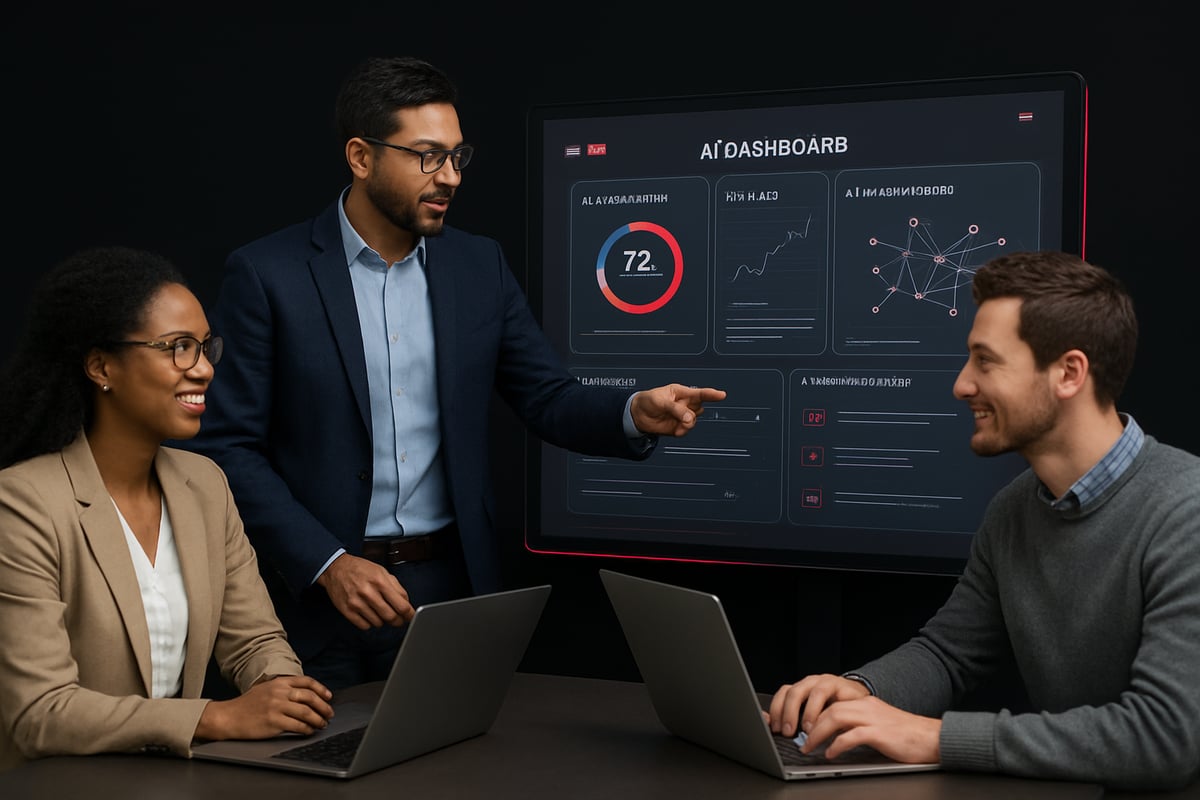
Training management consulting is being redefined by digital transformation and artificial intelligence. Over 60 percent of consulting firms now report a surge in demand for tech-enabled solutions. Leading firms such as McKinsey, BCG, and Bain are adopting advanced analytics and AI-powered project management tools to deliver faster, more sustainable results.
Clients expect transparency, speed, and measurable outcomes. Remote, hybrid, and fractional consulting models are rising, giving consultants flexibility and expanding access to high-value work. Talent marketplaces are emerging as the go-to destination for high-quality freelance consultants, enabling firms to match top-tier talent with client needs efficiently. For a deeper look at this trend, see Tech consulting market tipped to surpass $400bn in global revenue in 2026.
| Trend | Impact on Consulting |
|---|---|
| Digital Transformation | Drives new client solutions |
| AI Integration | Enhances project efficiency |
| Talent Marketplaces | Expands consultant opportunities |
| Remote/Hybrid Models | Increases flexibility |
As these trends accelerate, training management consulting professionals must adapt rapidly to stay ahead.
The Role of Virtuous Loops and Network Effects
A self-reinforcing ecosystem is now central to training management consulting. Collaborative platforms foster knowledge-sharing, allowing consultants to learn from one another and accelerate their growth. As more consultants join these platforms, the collective knowledge base deepens, creating a virtuous cycle that benefits all participants.
Network effects increase the value of these platforms as participation grows. With each new member, the ecosystem becomes more valuable, leading to higher client satisfaction and more high-value work opportunities. Case studies from leading talent marketplaces show how these communities have become essential for freelance consultants seeking long-term sustainability and value.
Consultants who actively contribute to knowledge-sharing not only build their reputation but also gain access to a wider array of projects. This approach transforms traditional training management consulting into a dynamic, ecosystem-driven model.
Evolving Client Needs and Consultant Expectations
Clients are shifting toward outcome-based engagements, prioritizing expertise, transparency, and speed over traditional billing models. They expect consultants to deliver sustainable results within managed budgets, often through fractional or on-demand arrangements.
Consultants, in turn, seek higher earning potential, consistent access to high-value work, and ongoing professional development. The modern training management consulting landscape rewards those who embrace continuous learning, engage in peer communities, and contribute to the broader ecosystem.
By aligning training with these evolving needs, consultants can position themselves as leaders, ready to drive transformation and innovation for years to come.
Core Competencies for Management Consulting Success
In the evolving world of training management consulting, core competencies set leading consultants apart. Mastering these essential skills is the foundation for accessing high-value work, building a self-reinforcing ecosystem, and driving long-term sustainability and value for clients and peers.

Analytical and Problem-Solving Excellence
Analytical and problem-solving excellence is at the heart of training management consulting. Consultants must apply structured frameworks, such as MECE and issue trees, to deconstruct complex business challenges. Leveraging data analytics and AI tools allows consultants to uncover deeper insights and deliver evidence-based solutions.
Consider real-world practice: Fortune 500 case studies help refine these skills, and peer-reviewed exercises reinforce analytical rigor. For further depth on the essential skills and their application, see Core Consulting Expertise and Skills.
- Use data-driven approaches to validate recommendations
- Practice with live business simulations for hands-on experience
- Collaborate in teams to enhance critical thinking
This competency ensures consultants consistently deliver measurable results.
Communication and Stakeholder Management
Success in training management consulting relies on clear, persuasive communication and effective stakeholder management. Building trust with clients requires transparent dialogue and active listening. Navigating complex organizations means understanding diverse perspectives and aligning interests.
Role-play scenarios and feedback sessions are invaluable for developing negotiation and presentation skills. Consultants who master these skills foster stronger client relationships and drive projects forward.
- Facilitate workshops to clarify project goals
- Develop concise executive summaries for leadership
- Use storytelling to make technical findings accessible
Strong communication skills enhance client satisfaction and project success.
Adaptability and Lifelong Learning
Adaptability is a defining attribute in training management consulting. Consultants must stay current with industry trends, new technologies, and evolving methodologies. Lifelong learning is not optional, but a necessity for maintaining relevance and delivering sustained value.
Active participation in peer-reviewed communities and professional networks accelerates knowledge-sharing and continuous improvement. Consultants who embrace ongoing development remain at the forefront of the ecosystem.
- Attend webinars and industry conferences regularly
- Engage in online forums for peer learning
- Pursue certifications in emerging consulting areas
A commitment to learning ensures consultants are always ready for the next challenge.
Digital Fluency and Technology Integration
Digital fluency is central to success in training management consulting. Consultants increasingly use digital tools for project management, client collaboration, and knowledge capture. Embracing AI-powered platforms drives efficiency and enhances service delivery.
Virtual workshops, cloud-based solutions, and analytics dashboards are now standard in consulting engagements. Consultants must integrate these technologies seamlessly into their workflows.
- Implement AI tools for faster data analysis
- Use collaborative platforms for real-time feedback
- Automate routine tasks to focus on high-value work
Digital proficiency boosts productivity and positions consultants as innovation leaders.
Leadership and Team Collaboration
Leadership and team collaboration are crucial in training management consulting. Leading cross-functional teams requires vision, empathy, and the ability to inspire others. Fostering a culture of collaboration and innovation drives better outcomes and accelerates growth.
Agile methodologies empower teams to adapt quickly and deliver results in dynamic environments. High-performing consultants act as mentors, share expertise, and contribute to a self-reinforcing ecosystem.
- Facilitate regular team retrospectives for improvement
- Encourage open knowledge-sharing among peers
- Support mentorship programs for talent development
Strong leadership transforms teams into top-tier talent and ensures long-term sustainability.
Designing a High-Impact Training Program for Consultants
Building a high-impact training management consulting program is essential for preparing top-tier talent to thrive in the rapidly evolving consulting landscape. An intentional, well-structured approach ensures consultants are equipped with the right skills, mindsets, and tools to deliver high-value work and drive long-term sustainability within the ecosystem.

Needs Assessment and Skill Gap Analysis
The foundation of any successful training management consulting program lies in a thorough needs assessment. Organizations must identify consultants’ current strengths and pinpoint specific skill gaps that could hinder performance.
Using AI-driven diagnostics, trainers can personalize learning pathways for each consultant. This ensures every participant receives targeted development rather than a one-size-fits-all approach.
Key assessment methods include:
- Self-assessment surveys
- 360-degree feedback from peers and clients
- Performance analytics from recent projects
A robust needs analysis lays the groundwork for a self-reinforcing ecosystem of continuous improvement, ensuring consultants are always prepared for high-value work.
Curriculum Development: Balancing Theory and Practice
A high-impact curriculum for training management consulting blends foundational knowledge with hands-on experiences. It integrates essential frameworks, such as MECE and issue trees, with real-world case simulations and project-based assignments.
Experiential learning is at the heart of this approach. Role plays, client simulations, and active problem-solving exercises help consultants internalize concepts and develop practical skills. For example, some leading programs feature more than 130 consulting frameworks, ensuring comprehensive coverage.
To see how top programs structure their offerings, The Consultant’s Toolkit: Consulting Training – Professional & Executive Development provides an in-depth look at a curriculum designed to equip consultants with both theory and practice. This balance is vital for cultivating top-tier talent ready to lead the charge in the consulting ecosystem.
Leveraging Technology for Training Delivery
Technology is transforming how training management consulting is delivered. Virtual classrooms, AI-powered learning platforms, and interactive modules make it easier than ever for consultants to access high-quality education on demand.
Blended learning models, which combine live sessions with self-paced modules, offer flexibility for busy professionals. Over 70 percent of firms have reported improved learning outcomes using these approaches.
Digital tools also foster collaboration and knowledge-sharing, driving virtuous loops where each participant’s growth enhances the community. Consultants can track progress, revisit materials, and engage with peers, all within an accessible, scalable digital environment.
Knowledge-Sharing and Community Building
A self-reinforcing ecosystem thrives on collaborative intelligence. Training management consulting programs should create spaces for peer-to-peer feedback, mentorship, and open knowledge exchange.
Some platforms incentivize consultants to share expertise by rewarding contributions to communal knowledge bases. This not only accelerates learning but also deepens relationships within the consultant community.
Examples of effective strategies include:
- Peer-reviewed case studies
- Mentorship programs pairing junior and senior consultants
- Community forums for ongoing discussion
Such initiatives foster a culture where knowledge-sharing is the norm, amplifying network effects and positioning the ecosystem as a go-to destination for high-quality freelance consultants.
Measuring Impact and Iterating on Training
Continuous improvement is essential for sustaining long-term value in training management consulting. Robust assessment tools, such as progress dashboards and ROI tracking, help organizations evaluate the effectiveness of their training programs.
Collecting feedback from consultants and analyzing performance data enables trainers to refine content and delivery methods. Regular iteration ensures that training remains aligned with evolving industry demands and consultant expectations.
By embedding measurement and adaptation into the program, firms create a sustainable business model that empowers consultants to consistently deliver top-tier results and remain at the forefront of the industry.
Step-by-Step Guide to Training Management Consulting Success in 2026
Embarking on a successful journey in training management consulting requires strategic planning, continuous learning, and active engagement with a self-reinforcing ecosystem. The following guide offers a clear path to mastering the competencies and approaches that define top-tier talent in 2026.

Step 1: Set Clear Career and Learning Goals
Begin your journey by defining both short-term and long-term objectives in training management consulting. Clarify what type of consulting work excites you, which industries resonate with your skills, and what professional milestones you want to achieve.
Ask yourself: Do you aim to specialize in digital transformation, or prefer a broader consulting portfolio? Setting these goals ensures your learning efforts align with your ambitions and the evolving market.
Break down your objectives into actionable steps, such as certifications, skill-building, or gaining experience in specific consulting domains. This clarity will guide your choices throughout your career.
Step 2: Select the Right Training Platforms and Resources
Choosing the best resources is crucial in training management consulting. Evaluate platforms based on content quality, reputation, technology integration, and real-world applicability. Look for programs that blend foundational theory with practical exercises.
When comparing options, consider whether traditional courses or ecosystem-driven talent marketplaces best fit your learning style. Talent marketplaces often provide access to live projects, mentorship, and peer-reviewed assignments, accelerating your growth.
If you are new to the field, reviewing What is Management Consulting can help you understand the landscape and select resources that meet your needs.
Step 3: Engage in Experiential and Collaborative Learning
Hands-on experience is vital for mastering training management consulting. Participate in real-world consulting projects, whether through simulations, internships, or live client engagements.
Join communities where you can share insights, collaborate with peers, and contribute to collective knowledge. Role plays, case competitions, and group assignments foster practical problem-solving skills and build your confidence.
Experiential learning helps you bridge the gap between theory and practice, ensuring you are ready for high-value work in dynamic environments.
Step 4: Leverage Digital Tools and AI for Continuous Improvement
Embrace digital platforms and AI-powered tools to enhance your efficiency in training management consulting. Use analytics to measure your progress and receive personalized feedback on your strengths and areas for growth.
Stay up-to-date with the latest project management software, knowledge-sharing platforms, and AI-driven diagnostics. These tools not only streamline workflows but also provide data-driven insights for self-improvement.
Leverage on-demand learning modules and interactive content to fit training into your busy schedule, ensuring consistent development.
Step 5: Build a Personal Brand and Professional Network
Position yourself as a go-to expert in training management consulting by cultivating a strong personal brand. Share thought leadership content, participate in industry discussions, and showcase your expertise on professional platforms.
Engage with your network by joining peer groups, attending virtual events, and mentoring others. Network effects within consulting ecosystems can lead to access to high-value projects and long-term sustainability.
A robust professional network amplifies opportunities and reinforces your reputation as top-tier talent.
Step 6: Track Progress and Adapt Your Strategy
Regularly assess your development in training management consulting. Use self-assessment tools, peer reviews, and mentor feedback to measure your growth against your initial goals.
Document your achievements and lessons learned. Adjust your learning strategy as industry trends shift or as new technologies emerge. Staying agile ensures you remain competitive and ready to lead the charge in consulting.
Continuous reflection and adaptation are essential for long-term sustainability and value in your career.
Step 7: Contribute to and Benefit from the Consulting Ecosystem
Active participation in a self-reinforcing ecosystem is a hallmark of successful training management consulting professionals. Share your insights, mentor peers, and contribute to knowledge bases that benefit the entire community.
By giving back, you help build collaborative intelligence and foster virtuous cycles where everyone’s expertise grows. Talent marketplaces reward those who engage—consultants who contribute often see greater access to high-value work and enhanced career prospects.
In this interconnected world, being part of the ecosystem means you are always learning, growing, and leading the charge in your field.
Harnessing Ecosystem Power: Network Effects and Virtuous Loops in Consulting
In the evolving world of training management consulting, ecosystem participation is no longer optional. Today, consultants thrive when they join self-reinforcing communities where collective value grows with every new member. Virtuous loops—cycles where each contribution strengthens the whole—set the stage for long-term career growth and access to high-value work.
The Value of a Self-Reinforcing Consulting Ecosystem
A self-reinforcing ecosystem is the engine behind modern training management consulting. As more consultants join, each brings unique skills, enriching the community's knowledge base. This creates a positive feedback loop—more expertise attracts more clients, which in turn draws even more top-tier talent.
Talent marketplaces have become the go-to destination for high-quality freelance consultants. Here, consultant contributions elevate the platform’s reputation and client outcomes, creating a cycle where everyone benefits. Platforms that focus on network effects, such as those highlighted in the Consultant Platform Ecosystem Benefits, exemplify this approach, making participation a strategic advantage for every consultant.
Sustainable Business Models and Long-Term Value
Long-term sustainability and value are critical goals in training management consulting. Ecosystem-driven business models offer resilience, even during market fluctuations. Instead of relying solely on individual success, consultants tap into shared opportunities, resources, and expertise.
Collaborative intelligence is the secret to staying ahead of rapid industry shifts. By working together, consultants unlock solutions that would be impossible in isolation. This shared approach supports a sustainable business model, ensuring both steady project flow and professional development.
Knowledge-Sharing as a Competitive Advantage
Knowledge-sharing turns a consulting community into a powerhouse. Consultants who actively share expertise, mentor peers, and engage in peer-reviewed solutions consistently access higher rewards and more high-value projects.
For example, peer-reviewed solutions often lead to better client satisfaction and faster consultant growth. In training management consulting, the willingness to contribute knowledge distinguishes leaders from followers. The more consultants share, the stronger the collective intelligence becomes, further reinforcing the ecosystem’s value.
Building and Sustaining Network Effects
Building network effects starts with active participation. Consultants maximize benefits by joining collaborative platforms, contributing insights, and supporting others. Each new connection enriches the network, raising the bar for quality and innovation.
Technology amplifies these effects, making it easier to share resources, track progress, and maintain relationships. A simple table below summarizes key strategies for leveraging network effects in training management consulting:
| Strategy | Impact on Ecosystem Value |
|---|---|
| Active sharing | Increases collective knowledge |
| Mentoring peers | Builds trust and reputation |
| Embracing tech | Accelerates collaboration |
By embracing these actions, consultants not only grow their own careers but also enhance the entire ecosystem.
The Future: Leading the Charge in High-Value, Sustainable Consulting
Looking ahead, the consulting leaders of 2026 will be those who harness virtuous cycles and network effects for both personal and collective success. Top-tier talent and high-value work will converge in ecosystem-centric platforms, where every contribution is recognized and rewarded.
Training management consulting is no longer just about individual achievement. It’s about building a legacy through collaborative intelligence, shared growth, and a sustainable business model. By leading the charge, today’s consultants can shape a future where everyone in the ecosystem thrives.
Future-Proofing Your Consulting Career: Trends and Opportunities Beyond 2026
As the consulting world evolves, future-proofing your career means staying ahead of trends and embracing new opportunities. The landscape for training management consulting is rapidly shifting, with technology, flexible work models, and ecosystem participation shaping the future. Understanding these changes will help you build a sustainable, high-value, and resilient consulting path.
Emerging Technologies and Their Impact on Consulting
The next era of training management consulting is defined by the rise of generative AI, automation, and advanced analytics. Consultants must integrate these tools into their workflows to deliver faster, more precise results. AI agents are now streamlining project management, while predictive analytics uncover deeper insights for clients.
Staying ahead means understanding how these emerging technologies drive transformation. For example, AI can automate data gathering, freeing consultants to focus on strategic thinking. Automation tools also enhance efficiency, reducing manual work and boosting value for clients.
Industry experts highlight that firms leading the charge in technology adoption are better positioned for long-term sustainability and value. For a deeper dive into how these trends are shaping the profession, see Professional Services in 2026: Top Trends Shaping the Future of the Industry. Mastering these innovations is now central to training management consulting.
The Shift to Fractional and On-Demand Consulting Models
Client preferences are shifting toward fractional and on-demand consulting models. This change is fueled by a need for flexibility, faster results, and outcome-focused engagements. Consultants are finding more opportunities as organizations seek specialized expertise without long-term commitments.
Fractional consulting allows professionals to work on multiple high-value projects simultaneously. This model supports a self-reinforcing ecosystem, where consultants can build diverse portfolios and expand their network. For those in training management consulting, adapting to this shift enables consistent access to rewarding assignments.
The growing popularity of on-demand models also supports career sustainability. By embracing flexible work, consultants increase their earning potential and exposure to different industries.
The Expanding Role of Talent Marketplaces
Talent marketplaces are becoming the go-to destination for high-quality freelance consultants. These platforms connect top-tier talent with clients seeking specialized skills, streamlining the project matching process. For those invested in training management consulting, joining a talent marketplace opens doors to a wider range of opportunities.
The self-reinforcing ecosystem of these platforms means that the more consultants participate and share knowledge, the greater the value for all members. Marketplaces now offer integrated training, peer-reviewed feedback, and advanced analytics to help consultants grow.
According to recent industry analysis, the consulting services market is projected for robust growth, driven by demand for tech-enabled solutions and flexible engagement models. Active participation in talent marketplaces is now a strategic move for career advancement in training management consulting.
Prioritizing Lifelong Learning and Professional Development
Continuous upskilling is essential for long-term sustainability and value in training management consulting. As the industry evolves, consultants must stay current with new frameworks, digital tools, and client expectations. Investing in professional development is no longer optional.
Peer-reviewed communities and collaborative learning platforms offer consultants a chance to share expertise and receive feedback. This commitment to lifelong learning supports a virtuous cycle, where knowledge-sharing leads to higher rewards and more project opportunities.
Consultants who prioritize ongoing education report significantly higher project earnings. In training management consulting, this focus on development ensures you remain relevant and in demand regardless of industry shifts.
Navigating Challenges and Seizing New Opportunities
Rapid regulatory changes, increased global competition, and evolving client demands present both challenges and opportunities. For consultants, agility and resilience are critical traits. Embracing a growth mindset helps you adapt to uncertainty and turn obstacles into advantages.
Strategies for success include:
- Monitoring industry regulations and compliance trends
- Diversifying your service offerings
- Building strong client relationships through transparency
By actively participating in a self-reinforcing ecosystem, you can navigate market shifts and seize new opportunities in training management consulting.
Positioning Yourself as a Consulting Leader
To lead the charge in the future of consulting, focus on building your reputation as a go-to expert. Thought leadership, ecosystem participation, and consistent knowledge-sharing set you apart from the competition.
Steps to become a consulting leader:
- Share insights through articles, webinars, and community forums
- Mentor peers and contribute to communal knowledge bases
- Engage in high-value work within talent marketplaces
Harnessing virtuous cycles and network effects ensures you not only survive but thrive in the evolving world of training management consulting.
As you look to elevate your consulting career and thrive in the evolving landscape of 2026, remember that the most successful consultants are those who invest in continuous learning, embrace technology, and actively participate in dynamic professional communities. By joining a network of like-minded experts, you gain access to high-value projects, ongoing development, and the collaborative support needed to stay ahead. If you’re ready to put these strategies into action and connect with top-tier opportunities, I encourage you to become a OdeCloud vetted expert and join the OdeCloud Community today.