.
.
Technology and consulting are transforming at an unprecedented pace as we approach 2026. The intersection of digital innovation and expert guidance is fundamentally reshaping how organizations operate, compete, and thrive.
This essential guide explores the most influential trends, strategies, and best practices defining technology and consulting for the year ahead. You'll gain insights into the latest in digital transformation, evolving consulting models, emerging technologies, proactive risk management, and the dynamic talent ecosystem powering modern business.
Whether you're a consultant, business leader, or technology enthusiast, this guide equips you with actionable knowledge to stay ahead, drive growth, and lead the charge in an ever-changing landscape.
The State of Technology and Consulting in 2026
The landscape of technology and consulting in 2026 looks remarkably different from just a few years ago. Traditional IT consulting models have evolved into holistic partnerships that drive business transformation. Today, firms are moving from one-off projects toward ongoing, value-driven relationships. The focus has shifted from hourly billing to outcome-based consulting, which aligns incentives and delivers measurable results.
A major trend is the rise of managed services and fractional consulting, offering flexibility for businesses to scale expertise as needed. Managed services allow organizations to outsource critical functions, while fractional consultants provide specialized skills for specific initiatives. The IT services sector alone is projected to surpass $476 billion, as highlighted in the Global Tech Consulting Market to Surpass $400 Billion by 2026, reflecting the growing demand for technology and consulting expertise worldwide.
Defining the Modern Technology Consulting Landscape
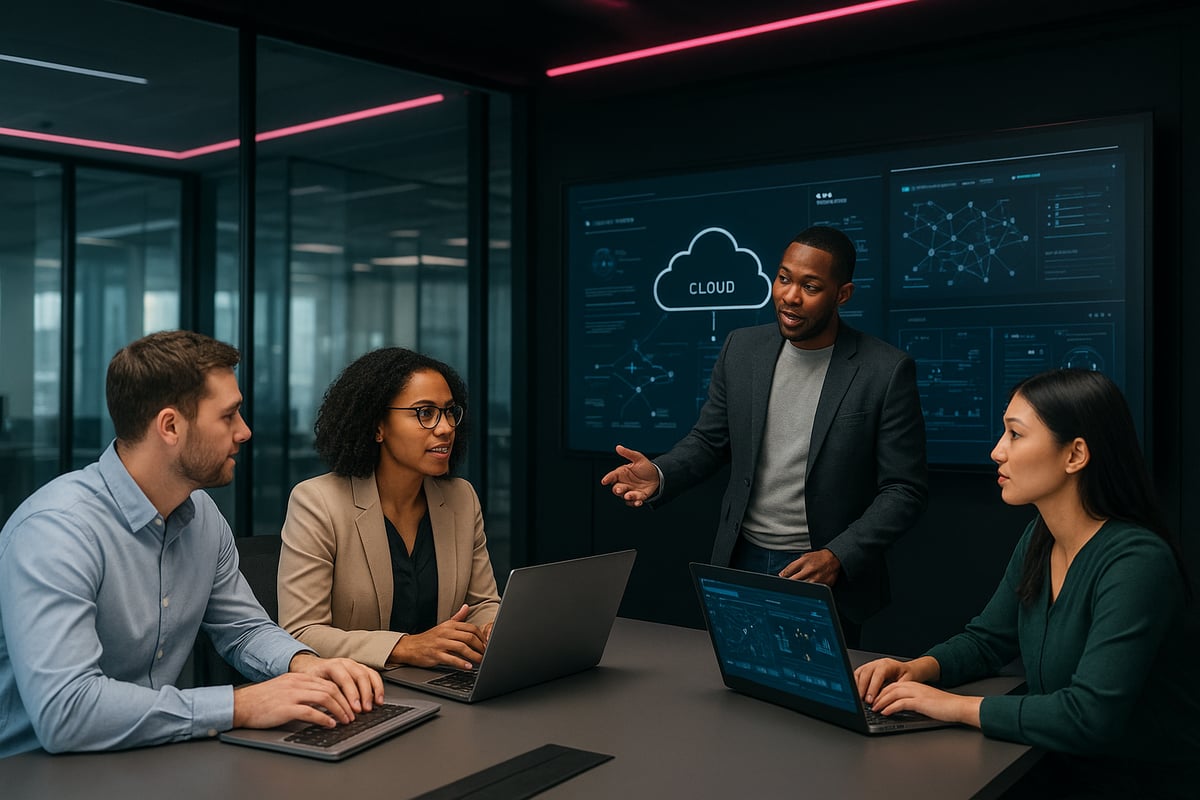
Technology and consulting have transformed from narrow IT advisory roles to partners in business reinvention. Consulting firms now embed themselves within client organizations, focusing on long-term sustainability and value. The emphasis is on outcome-based engagements that prioritize measurable impact over billable hours.
This new era features:
- Ongoing, value-driven relationships rather than isolated projects
- Fractional and managed services for flexible resource allocation
- Outcome-based pricing models that align consultant and client goals
- Rapid scaling of expertise through digital platforms
These changes reflect the growing complexity of digital transformation and the increasing need for technology and consulting professionals who can deliver strategic solutions.
Key Market Drivers and Challenges
Several market forces are shaping technology and consulting in 2026. Digital ecosystems and cloud environments are more complex than ever, requiring deep expertise to manage integration, scalability, and resilience. Data security, compliance, and business continuity are now board-level priorities, with regulations such as GDPR and HIPAA influencing consulting strategies.
Organizations face mounting pressure to control costs and improve operational efficiency. Startups, in particular, leverage technology and consulting partnerships to challenge established competitors and navigate regulatory hurdles. The demand for specialized consulting services is growing, as businesses seek to adapt quickly and remain competitive in a fast-changing environment.
The Self-Reinforcing Ecosystem and Network Effects
A defining feature of technology and consulting today is the emergence of a self-reinforcing ecosystem. Knowledge-sharing and collaborative intelligence are at the heart of this transformation. As more experts and organizations participate, the ecosystem grows stronger, creating virtuous cycles of innovation and expertise.
Talent marketplaces and freelance networks amplify these network effects, enabling rapid access to top-tier talent and specialized skills. Community-driven learning, peer-reviewed solutions, and continuous feedback loops ensure long-term sustainability and value. This collaborative approach is leading the charge in redefining how consulting services are delivered and consumed.
The Go-To Destination for High-Quality Freelance Consultants
Digital platforms have become the go-to destination for high-quality freelance consultants and businesses seeking high-value work. For freelancers, these platforms offer increased earning potential, professional growth, and a steady flow of projects. They empower consultants to work with a variety of clients and expand their expertise through knowledge-sharing.
For businesses, talent marketplaces provide instant access to specialized expertise, enabling rapid project launches and managed budgets. The ability to source top-tier talent on demand allows organizations to adapt quickly to new challenges. As technology and consulting continue to evolve, these platforms are essential for building a resilient and agile workforce.
Emerging Technologies Shaping Consulting in 2026
The landscape of technology and consulting is transforming at record speed as organizations race to stay ahead. New technologies are not just tools, they are catalysts for entirely new consulting models and ecosystems. In 2026, success depends on understanding and leveraging the right trends. According to Gartner’s Top Strategic Technology Trends for 2026, the interplay between AI, cloud, automation, and industry-specific solutions is reshaping how firms deliver value. Let us explore the core emerging technologies driving this self-reinforcing ecosystem.
Artificial Intelligence and Machine Learning
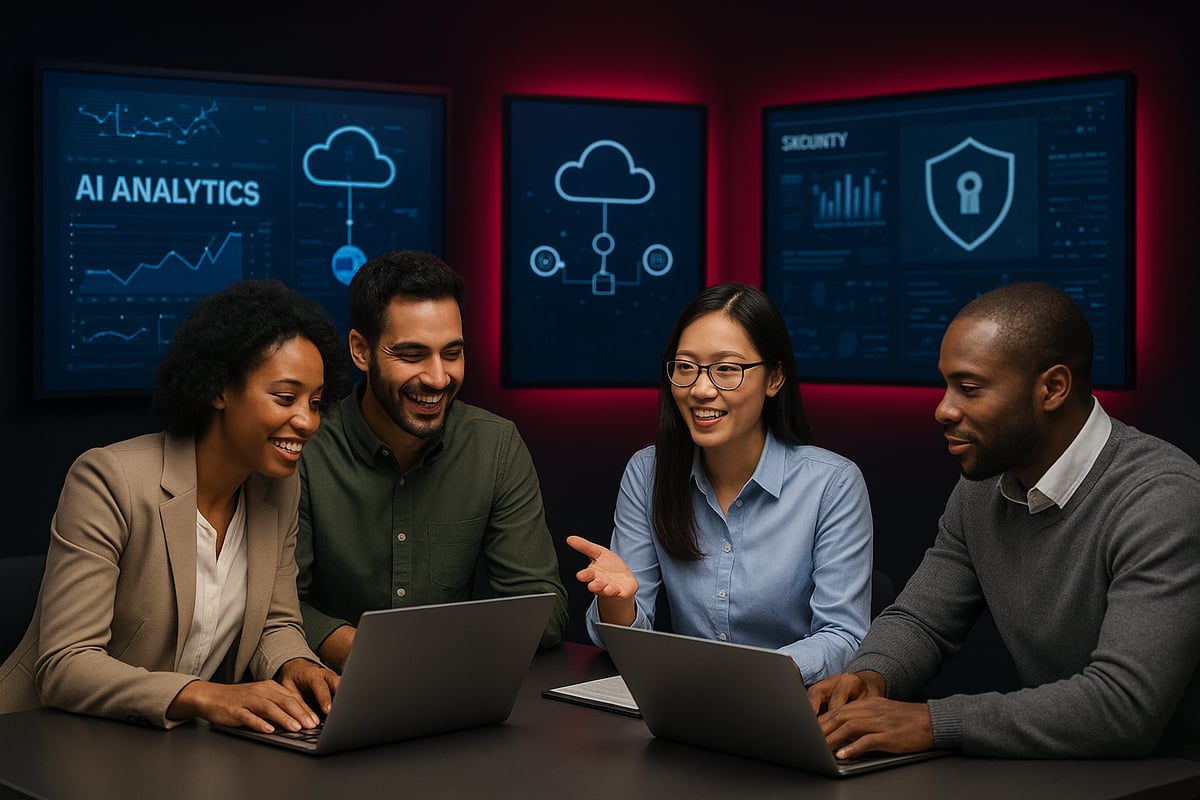
Artificial intelligence and machine learning are leading the charge in technology and consulting, powering a new era of analytics, automation, and strategic decision-making. Consultants now harness AI to match top-tier talent to high-value work with unmatched speed and accuracy.
For example, AI-driven platforms analyze project requirements and consultant profiles, ensuring the right expertise is delivered every time. Predictive risk analysis tools help identify issues before they impact outcomes, while intelligent workflow optimization streamlines project delivery. As AI matures, consulting engagements become more outcome-focused, enabling a self-reinforcing ecosystem where knowledge-sharing and collaborative intelligence create long-term sustainability and value.
- AI-powered talent matching
- Predictive analytics for risk management
- Automated workflow optimization
In this environment, technology and consulting are inseparable, driving both efficiency and innovation.
Cloud Transformation and Hybrid Architectures
Cloud transformation is at the heart of technology and consulting in 2026. Organizations are moving from on-premise systems to flexible cloud and hybrid environments, seeking greater scalability and resilience. Consultants play a pivotal role in crafting cloud strategies, guiding vendor selection, and ensuring seamless data integration.
The complexity of cloud migration presents both opportunities and challenges. Consulting teams help businesses navigate multicloud architectures, optimize costs, and implement robust security measures. Hybrid models are especially attractive for industries with strict regulatory requirements, where data sovereignty and business continuity are paramount.
A sustainable business model in consulting now requires deep cloud expertise, as success hinges on the ability to adapt quickly and leverage cutting-edge solutions. The right approach not only supports operational goals, but also strengthens the broader technology and consulting ecosystem.
Cybersecurity and Data Privacy
Cybersecurity and data privacy have become non-negotiable priorities in technology and consulting. As digital threats evolve, consultants are tasked with designing advanced security architectures, implementing continuous vulnerability assessment, and ensuring compliance with regulations like GDPR and HIPAA.
DevSecOps and Security as Code approaches embed security into every phase of technology delivery, reducing risk and improving response times. Policy governance and disaster recovery planning are essential, helping organizations maintain business continuity in the face of cyber incidents.
- Continuous vulnerability scanning
- Automated compliance checks
- Security-first culture initiatives
Through knowledge-sharing and network effects, consultants empower businesses to foster a proactive security mindset, making technology and consulting a critical shield for digital operations.
Automation, RPA, and Workflow Optimization
Robotic Process Automation (RPA) and workflow optimization are transforming the operational backbone of technology and consulting. Consultants are increasingly called upon to design and implement scalable automation frameworks that eliminate repetitive tasks and improve efficiency.
By leveraging RPA, businesses reduce costs, minimize errors, and free up talent for higher-value work. Consultants analyze existing workflows, identify automation opportunities, and ensure seamless integration with existing systems.
The impact is clear: organizations see faster project delivery, enhanced accuracy, and measurable gains in productivity. These virtuous cycles reinforce the value of technology and consulting partnerships, enabling both freelancers and businesses to thrive in a rapidly changing environment.
Industry-Specific Tech Solutions
Industry-specific technology solutions are redefining the role of consultants in 2026. From healthcare and finance to manufacturing and retail, tailored strategies ensure compliance, integration, and digital transformation align with sector needs.
For instance, consultants might optimize ERP systems in manufacturing to boost efficiency, or deploy AI-driven analytics in finance to uncover actionable insights. These specialized approaches demand deep domain expertise and a commitment to ongoing learning.
The result is a self-reinforcing ecosystem where technology and consulting drive long-term sustainability and value for every stakeholder. As knowledge-sharing accelerates, both freelancers and businesses become the go-to destination for high-quality freelance consultants in their respective industries.
Consulting Models and Talent Ecosystems: 2026 Best Practices
As technology and consulting continue to evolve, new models and ecosystems are reshaping the way organizations and experts connect. The shift from rigid, legacy structures to agile, outcome-focused partnerships is unlocking unprecedented value for both freelancers and businesses. In this section, we explore the leading practices driving a self-reinforcing ecosystem in 2026.

The Rise of Fractional and On-Demand Expertise
Fractional consulting and on-demand expertise are rapidly becoming pillars of the technology and consulting landscape. Organizations now prioritize agility, enabling them to engage top-tier talent for specific needs, without the overhead of full-time hires.
Businesses benefit from:
- Access to niche experts for targeted projects
- Cost efficiency by paying only for required expertise
- Faster project launches and iterative delivery
For example, startups and enterprises alike are leveraging fractional ERP or cloud specialists to accelerate digital transformation. This approach aligns with a sustainable business model, ensuring long-term sustainability and value. As the need for specialized knowledge grows, the ability to scale resources flexibly has become a competitive advantage in technology and consulting.
Building a Self-Reinforcing Talent Marketplace
A self-reinforcing ecosystem thrives on collaborative intelligence and network effects. Talent marketplaces are now the go-to destination for high-quality freelance consultants, enabling virtuous cycles of expertise and innovation.
Key components include:
- Knowledge-sharing platforms for peer-reviewed solutions
- Community-driven innovation and continuous learning
- Network effects, where value grows as more experts and clients join
By fostering open collaboration, these marketplaces create a foundation for sustained growth and adaptability. As discussed in Transforming IT Consulting Communities, the transformation of consulting relies on building robust communities that amplify both individual and collective success. This collaborative approach is leading the charge for technology and consulting in 2026.
Knowledge-Sharing as Core Value
Knowledge-sharing sits at the heart of successful technology and consulting ecosystems. Structured frameworks are essential for capturing best practices, sharing lessons learned, and disseminating emerging trends.
Benefits include:
- Enhanced professional development for consultants
- Improved project quality and delivery consistency
- Accelerated ecosystem growth through shared intelligence
Online communities and digital platforms play a vital role, providing spaces for continuous learning and open exchange. When consultants and businesses embrace knowledge-sharing, they create long-term sustainability and value, ensuring that expertise is always evolving to meet new challenges.
Freelancers and Businesses: Mutual Benefits in the New Ecosystem
The modern technology and consulting ecosystem offers tangible benefits for both freelancers and businesses. Freelancers gain access to high-value work, higher rewards through knowledge-sharing, and opportunities for ongoing professional development.
Businesses, in turn, enjoy:
- Rapid access to vetted talent for critical projects
- Managed budgets and transparent delivery models
- Flexibility to scale resources as needs change
| Benefit | Freelancers | Businesses |
|---|---|---|
| Earning potential | Higher, project-based rewards | Cost control, outcome-based fees |
| Knowledge growth | Peer learning, community forums | Access to latest best practices |
| Project flow | Consistent, diverse opportunities | Quick project launches |
Recent data shows a growing percentage of consulting projects are now delivered via freelance platforms, demonstrating the ecosystem’s momentum.
Sustainable Business Models in Consulting
Sustainable business models are redefining technology and consulting. Firms and platforms are moving away from opaque, bloated practices in favor of lean operations, transparent pricing, and outcome-focused engagements.
Key characteristics include:
- Emphasis on measurable results and client outcomes
- Streamlined processes and minimal overhead
- Community-vetted solutions for consistent quality
For example, consulting firms leading the charge are integrating feedback loops and adaptive practices into their service delivery. This shift creates a foundation for long-term sustainability and value, benefiting all participants in the ecosystem.
Risk Management, Security, and Compliance in 2026 Consulting
In the rapidly evolving world of technology and consulting, risk management, security, and compliance have become central pillars for sustainable growth. Organizations face unprecedented threats and regulatory scrutiny, making proactive strategies critical. As digital ecosystems expand, businesses and consultants must adapt, embedding resilience and compliance at every step. This section explores how leading the charge in risk and security best practices ensures long-term sustainability and value in a self-reinforcing ecosystem.
Proactive Risk Assessment and Mitigation
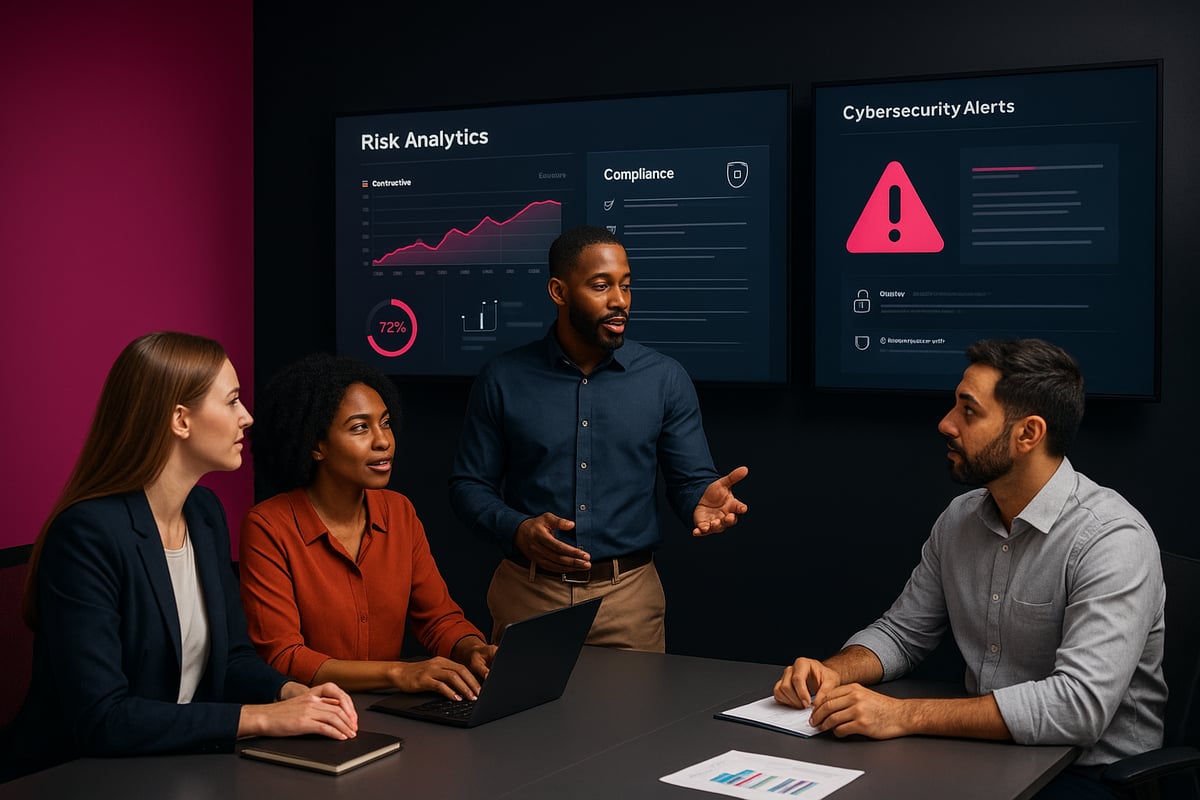
Technology and consulting firms are prioritizing ongoing risk assessment to stay ahead of evolving threats. By leveraging AI and advanced analytics, consultants can continuously monitor systems and detect vulnerabilities before they escalate. This proactive approach includes static code analysis, real-time vulnerability testing, and automated remediation strategies.
Proactive risk management means identifying operational, cyber, and compliance risks early. Consultants deploy predictive tools and early warning systems, ensuring issues are addressed promptly. According to Deloitte’s 2026 Technology, Media & Telecommunications Predictions, AI-driven analytics are now standard for risk monitoring, supporting the technology and consulting sector’s efforts to safeguard assets and reputation.
Business Continuity and Disaster Recovery
Business continuity is vital in the technology and consulting landscape of 2026. Consultants are helping organizations create robust continuity plans that ensure critical operations remain intact during disruptions. These plans cover data backup, network switchover, and load balancing to minimize downtime.
Disaster recovery frameworks are now more agile and comprehensive. Startups and enterprises alike benefit from expert guidance to navigate crisis scenarios, ensuring resilience and rapid recovery. The goal is to maintain seamless service delivery, protect data integrity, and foster trust throughout the consulting ecosystem.
Regulatory Compliance and Data Governance
Regulatory landscapes are growing more complex, making compliance a top priority for technology and consulting professionals. Regulations like GDPR, HIPAA, and PCI-DSS demand meticulous data governance and transparent policy implementation. Consultants play a vital role guiding organizations through these regulatory challenges.
Effective strategies include implementing policy as code, security as code, and automated compliance checks. Platforms such as ERP Software Consulting Insights offer best practices for aligning business systems with regulatory demands, strengthening the self-reinforcing ecosystem. This enables organizations to reduce risk while meeting all legal obligations.
Security-First Mindset and Organizational Culture
A security-first mindset is now essential in technology and consulting. Embedding security at every layer of the tech stack requires more than technical solutions—it’s a shift in organizational culture. Consultants champion change management initiatives and deliver targeted training to foster this proactive approach.
Continuous education and robust policies empower teams to recognize threats and respond effectively. Building a culture of security ensures that everyone, from leadership to project teams, contributes to safeguarding client and company assets. This collective vigilance supports long-term sustainability and value in consulting partnerships.
Cost-Effective Security Strategies
Balancing robust security with cost efficiency is a major focus in technology and consulting. Organizations are turning to consulting expertise to optimize security investments and achieve maximum protection without overspending. Outsourcing security functions, where appropriate, allows businesses to access top-tier talent and high-value work while managing budgets.
Comparing in-house and outsourced security models reveals that targeted consulting engagements often yield faster, more effective results. Data shows businesses can achieve significant cost savings by prioritizing risk-based investments and using agile, scalable solutions. This approach supports a sustainable business model and positions organizations to thrive in a dynamic consulting ecosystem.
The Roadmap to Success: Steps for Leveraging Technology and Consulting in 2026
Navigating the future requires a clear, actionable roadmap. As organizations embrace technology and consulting in 2026, structured steps ensure sustainable transformation. This guide presents a stepwise approach, empowering leaders to harness a self-reinforcing ecosystem and unlock long-term sustainability and value.
Step 1: Assessing Organizational Needs and Goals
Begin by conducting a comprehensive audit of your current technology and consulting landscape. Map out business processes, identify performance gaps, and clarify strategic objectives. This foundational assessment ensures your investments align with evolving market demands and sets the stage for targeted transformation.
- Review existing digital infrastructure
- Identify pain points and inefficiencies
- Define success criteria for future initiatives
A clear understanding of needs and goals is essential for effective technology and consulting outcomes.
Step 2: Selecting the Right Consulting Model and Partners
Choosing the optimal consulting model is critical for success. Compare fractional, managed, or project-based engagements to determine the best fit for your organization. Leverage digital talent marketplaces such as the Consultant Platform for On-Demand Experts to access top-tier talent and specialized expertise.
Key factors to consider:
- Cultural alignment and proven experience
- Transparent engagement and pricing models
- Flexibility to scale with business needs
The right partnership amplifies your technology and consulting initiatives.
Step 3: Embracing Emerging Technologies Strategically
Prioritize high-impact technologies that align with your long-term vision. Focus on AI, cloud solutions, automation, and robust security practices. Consulting partners can help you navigate complexity, validate technology choices, and accelerate adoption.
Explore trends like multicloud integration and Infrastructure as Code, highlighted in The Future of Technology Infrastructure: 8 Trends to Watch by 2026, to stay ahead.
Strategic adoption of technology and consulting services propels digital transformation.
Step 4: Building a Knowledge-Sharing Culture
Foster a collaborative environment where continuous learning and knowledge-sharing are core values. Establish frameworks for open communication, feedback, and peer-reviewed solutions. Engage both internal and external communities to exchange best practices and drive innovation.
Empowering teams through collaborative intelligence strengthens your technology and consulting ecosystem and builds virtuous cycles of expertise.
Step 5: Ensuring Continuous Improvement and Value Realization
Set clear KPIs and metrics to measure the impact of technology and consulting engagements. Embrace iterative improvement cycles, leveraging feedback to refine processes and maximize return on investment.
- Regular performance reviews
- Data-driven decision making
- Adaptive project management
This approach ensures your organization continually realizes value and maintains a sustainable business model.
Step 6: Managing Risk and Compliance Proactively
Integrate risk management and compliance into every project phase. Utilize consulting expertise to identify vulnerabilities, automate compliance checks, and respond swiftly to regulatory changes.
Proactive management reduces incidents and fosters trust in your technology and consulting operations.
Step 7: Scaling and Sustaining the Ecosystem
Capitalize on network effects by nurturing a self-reinforcing ecosystem of freelancers and businesses. Leverage talent marketplaces to access high-value work and expertise, promoting long-term sustainability and value for all participants.
By leading the charge in collaborative intelligence and adaptive partnerships, your organization positions itself as the go-to destination for high-quality freelance consultants.
As you reflect on the key trends, strategies, and emerging technologies shaping technology and consulting in 2026, it’s clear that expert guidance can make all the difference in navigating this fast-evolving landscape. Whether you’re planning a major ERP project, seeking to optimize business processes, or simply want to stay ahead of the curve, connecting with a seasoned consultant can provide the clarity and confidence you need. If you’re ready to take the next step and put these insights into action, I invite you to book a call with an expert consultant now.