.
.
The mgmt consulting industry is entering a period of significant transformation as we approach 2026. Rapid advances in digital transformation, artificial intelligence, and new business models are reshaping how consultants and their clients operate.
This expert guide will help you navigate the changing landscape of mgmt consulting, highlighting the trends, essential skills, and strategies you need to succeed.
Explore in-depth insights on industry shifts, technology’s influence, and the evolving talent marketplace. Stay ahead of the curve with actionable advice designed for long-term success in this dynamic field.
The State of Management Consulting in 2026
The mgmt consulting landscape in 2026 is transforming rapidly, presenting both exciting opportunities and formidable challenges for consultants and clients. Self-reinforcing ecosystems, digital transformation, and evolving client expectations are driving a new era of sustainable value creation. Understanding the forces at play is essential for anyone aiming to thrive in this dynamic environment.

Shifting Industry Dynamics
In 2026, mgmt consulting is defined by a self-reinforcing ecosystem where value creation is amplified through virtuous cycles of collaboration and knowledge-sharing. Consulting firms are strategically building interconnected communities that foster long-term sustainability and value for all stakeholders.
The global mgmt consulting market is projected to reach $1.2 trillion by 2026, reflecting robust demand for strategic guidance and specialized expertise. According to Global Management Consulting Market Growth Projections, this growth is fueled by digital adoption, emerging business models, and the expansion of consulting services into new sectors.
Boutique and niche consultancies are rising as formidable competitors to legacy giants, offering tailored solutions and deep domain expertise. These smaller firms thrive by leveraging agile delivery models and cross-functional teams, meeting the evolving needs of clients seeking more responsive, high-value work.
Network effects are reshaping the way business is generated. As more clients and consultants join interconnected platforms, the overall value of the ecosystem increases. Notable examples include McKinsey’s strategic ecosystem partnerships and Deloitte’s focus on digital transformation, which enable them to deliver innovative solutions at scale.
Client expectations are at an all-time high. Organizations now demand greater transparency, ROI-driven engagements, and a strong emphasis on measurable outcomes. Knowledge-sharing is becoming a central differentiator, with clients expecting consultants to transfer expertise and empower internal teams.
Sustainability has also emerged as a core value proposition in mgmt consulting. Firms are integrating environmental, social, and governance (ESG) principles into their service offerings, helping clients navigate complex regulations and societal expectations.
Key Drivers of Change
Several powerful drivers are propelling mgmt consulting into a new era. Digital disruption is at the forefront, with AI, automation, and data analytics transforming project delivery, client engagement, and internal operations.
Talent marketplace evolution is another critical factor. Platforms that enable direct connections between clients and top-tier talent are becoming the go-to destination for high-quality freelance consultants. This shift accelerates project launches, enhances access to specialized skills, and supports a more flexible workforce.
Globalization is breaking down traditional barriers, allowing for remote consulting and borderless project teams. Consultants can now collaborate with clients worldwide, leveraging digital tools to provide seamless service regardless of geography.
Regulatory shifts are influencing how consulting engagements are structured. Firms must remain agile to comply with evolving standards while still delivering high-value work. Accenture’s investment in digital talent platforms and robust ecosystems exemplifies how industry leaders are adapting to these changes.
Cross-functional expertise is more important than ever, as clients seek holistic solutions that blend industry knowledge, technical skills, and collaborative intelligence. This trend is creating new opportunities for consultants to differentiate themselves and drive lasting impact within the mgmt consulting ecosystem.
The future of mgmt consulting in 2026 is shaped by these interconnected dynamics and drivers. Firms and professionals who embrace self-reinforcing ecosystems, prioritize knowledge-sharing, and adapt to the evolving marketplace will be best positioned for long-term sustainability and value.
Technology’s Transformative Impact on Consulting
The landscape of mgmt consulting is changing at an unprecedented pace. Technology is the primary force driving these changes, reshaping how consultants deliver value, collaborate, and build long-term client relationships. This transformation is rooted in the adoption of AI, the evolution of talent marketplaces, and the emergence of interconnected consulting ecosystems.
AI and Automation in Consulting Workflows
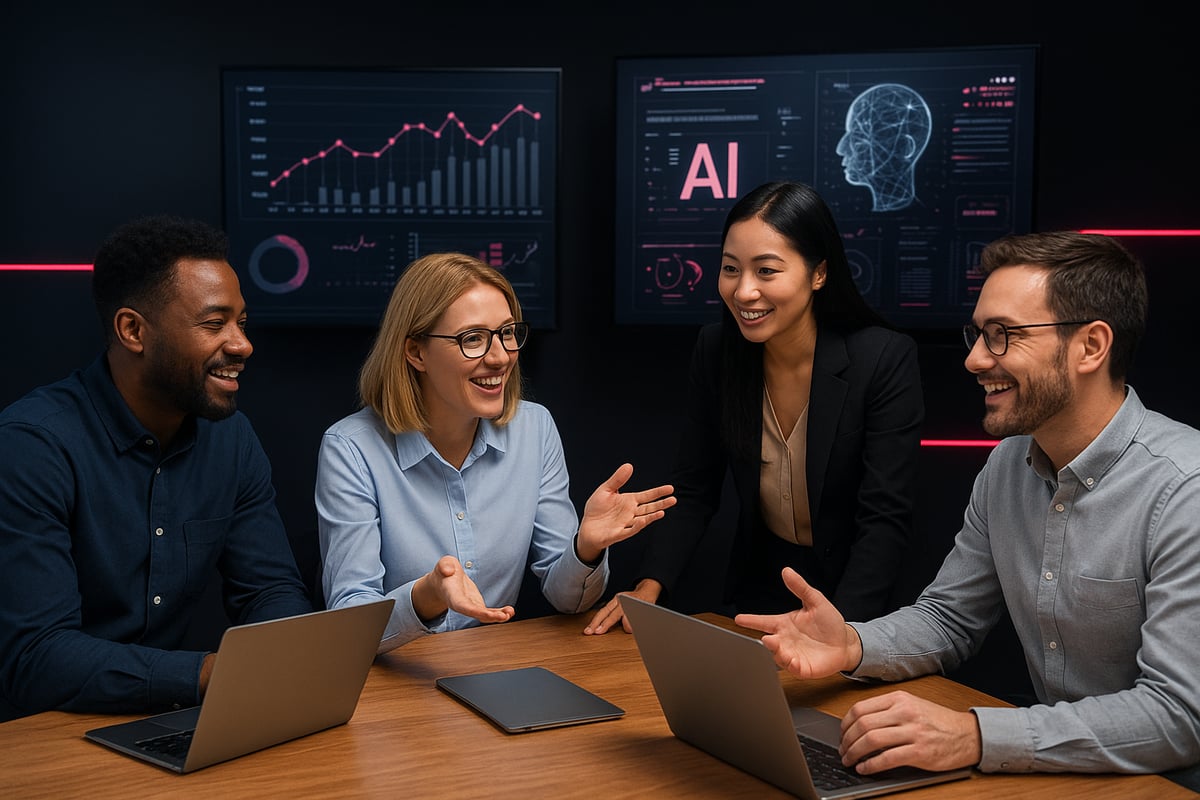
AI and automation are redefining the core workflows of mgmt consulting. Leading firms now deploy AI-powered tools for research, data analysis, and project management. These platforms accelerate market analysis, automate repetitive tasks, and empower consultants to focus on high-value work.
For example, BCG integrates AI for rapid scenario planning and strategic insights. Automation streamlines administrative work, enabling consultants to dedicate more time to client problem-solving. AI-driven data analytics helps uncover trends, risks, and opportunities that would be difficult to identify manually.
Knowledge-sharing platforms further enhance collaborative intelligence. They break down silos and encourage real-time learning across projects. As digital transformation continues, consultants are expected to master these tools, making AI fluency an essential skill in mgmt consulting. For a deeper look at how AI is shaping the industry, see AI Integration in Management Consulting.
The fusion of automation and collaborative platforms fosters a self-reinforcing ecosystem. The more consultants use these technologies, the greater the collective expertise and value delivered to clients.
The Rise of the Talent Marketplace
Digital talent marketplaces are now a go-to destination for high-quality freelance consultants seeking mgmt consulting projects. These platforms connect top-tier talent with organizations looking for specialized skills, enabling rapid project launches and flexible engagement models.
The benefits for both consultants and clients are clear:
- Faster access to expertise
- Cost efficiency and transparent pricing
- Opportunities for high-value work and professional growth
Participation in these marketplaces creates a virtuous cycle. As more consultants and clients join, the ecosystem’s value increases, and knowledge-sharing becomes a competitive differentiator. Examples like Toptal and Catalant illustrate how self-reinforcing ecosystems drive continuous improvement and innovation.
Long-term sustainability and value are achieved by balancing freelancer rewards with client satisfaction. Consultants benefit from consistent project flow, while clients gain access to curated talent pools, fostering trust and repeat business in mgmt consulting.
Network Effects and Ecosystem Strategies
Consulting firms are embracing interconnected communities, leveraging network effects to build thriving ecosystems. In mgmt consulting, the value of a platform grows as more participants contribute knowledge, resources, and feedback.
EY’s global knowledge-sharing initiatives exemplify how firms can foster collaborative intelligence. These interconnected networks support continuous learning and rapid problem-solving, reinforcing virtuous cycles of improvement.
Sustainable business models are at the core of these strategies. Firms must balance platform fees, consultant rewards, and client outcomes to ensure long-term sustainability and value. Effective governance, transparent reputation systems, and incentives for collaboration are essential.
The future of mgmt consulting lies in creating and leveraging these self-reinforcing ecosystems. As network effects amplify, both freelancers and clients experience greater returns, setting the stage for ongoing transformation and success.
Evolving Skills and Competencies for Consultants
Rapid changes in mgmt consulting are redefining the skills that set top performers apart. As the industry shifts toward digital-first delivery and interconnected ecosystems, consultants must develop new competencies to thrive. Mastering both traditional and emerging capabilities is no longer optional but essential for long-term sustainability and value in this dynamic field.
Core Consulting Skills in 2026
In mgmt consulting, the foundation remains strong analytical thinking and creative problem-solving. Consultants must quickly distill complex challenges, identify patterns, and devise actionable solutions. Yet, the expectations for expertise have grown beyond traditional frameworks.
Digital literacy is now a baseline requirement. Consultants need fluency with AI-powered research tools, data analytics platforms, and automation solutions. This enables them to deliver insights faster and drive ROI for clients. Firms such as Bain have responded by redesigning their consultant training to emphasize these digital and collaborative skills.
Strong client relationship management is critical, especially as engagements become more virtual. Building trust, communicating transparently, and aligning with client goals are central to success in mgmt consulting. Consultants must also develop cross-disciplinary expertise, blending industry knowledge with technical skills and emotional intelligence.
Knowledge-sharing is a key differentiator. The ability to work collaboratively, share insights, and leverage collective intelligence supports the self-reinforcing ecosystem that drives the industry forward. As highlighted by Consulting industry trends, firms and individuals that foster these virtuous cycles will remain competitive in a rapidly evolving marketplace.
Professional Development and Continuous Learning
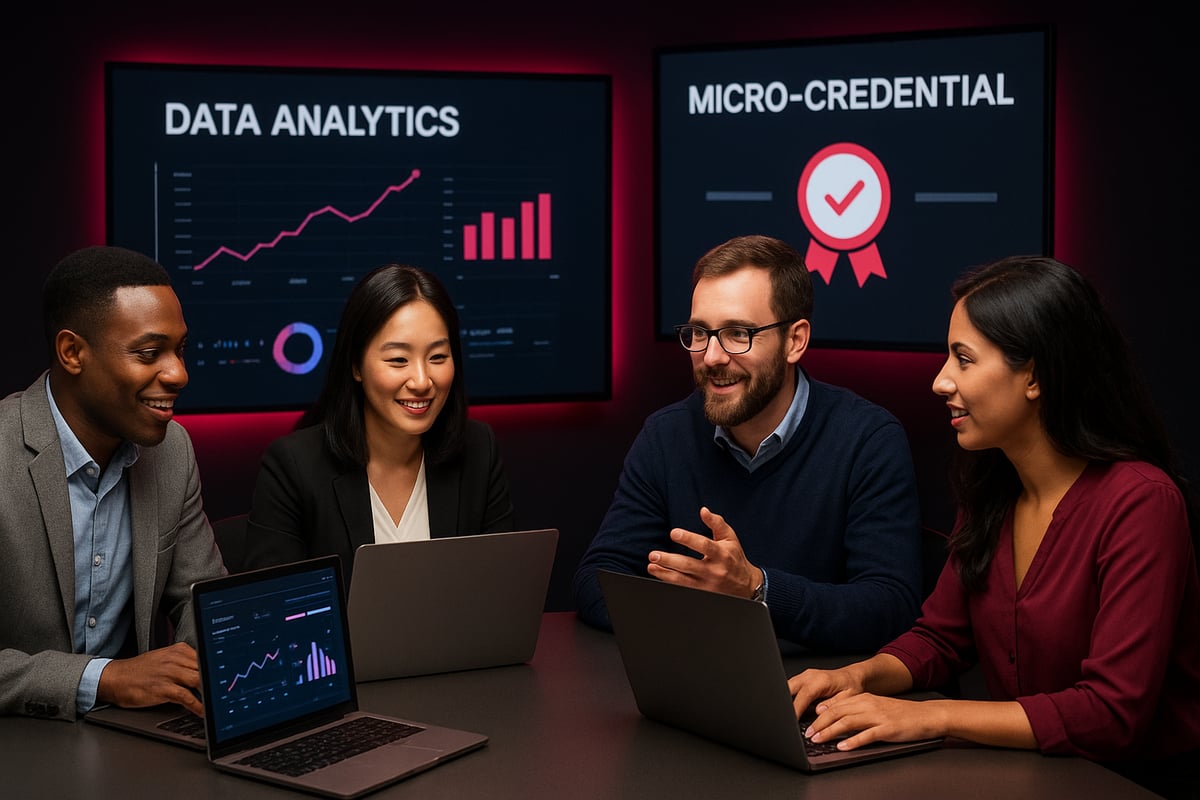
Succeeding in mgmt consulting in 2026 means embracing lifelong learning. On-demand platforms and micro-credentials allow consultants to upskill in real time, responding to emerging needs and technologies. These resources offer flexibility and ensure that top-tier talent remains agile in a fast-paced environment.
Peer-reviewed project work and active participation in professional communities are becoming standard. Consultants gain feedback, validate expertise, and contribute to knowledge-sharing within interconnected networks. Mentoring, both formal and informal, supports continuous improvement and fosters a culture of growth.
Digital academies, such as McKinsey Academy, are leading the charge by providing scalable, personalized learning journeys for mgmt consulting professionals. These initiatives help bridge the gap between freelance and full-time roles, offering sustainable career paths in the talent marketplace.
Ultimately, consultants who prioritize ongoing development and engage in collaborative intelligence will consistently access high-value work. By building reputations within self-reinforcing ecosystems, they ensure long-term sustainability and value in mgmt consulting.
Building and Leveraging Consulting Ecosystems
In 2026, consulting ecosystems are at the heart of transformation in mgmt consulting. These interconnected communities of freelancers, clients, and partner organizations create virtuous loops that drive innovation, efficiency, and long-term sustainability and value. The self-reinforcing ecosystem concept is reshaping how top-tier talent and businesses collaborate for high-value work.
The Power of Self-Reinforcing Ecosystems
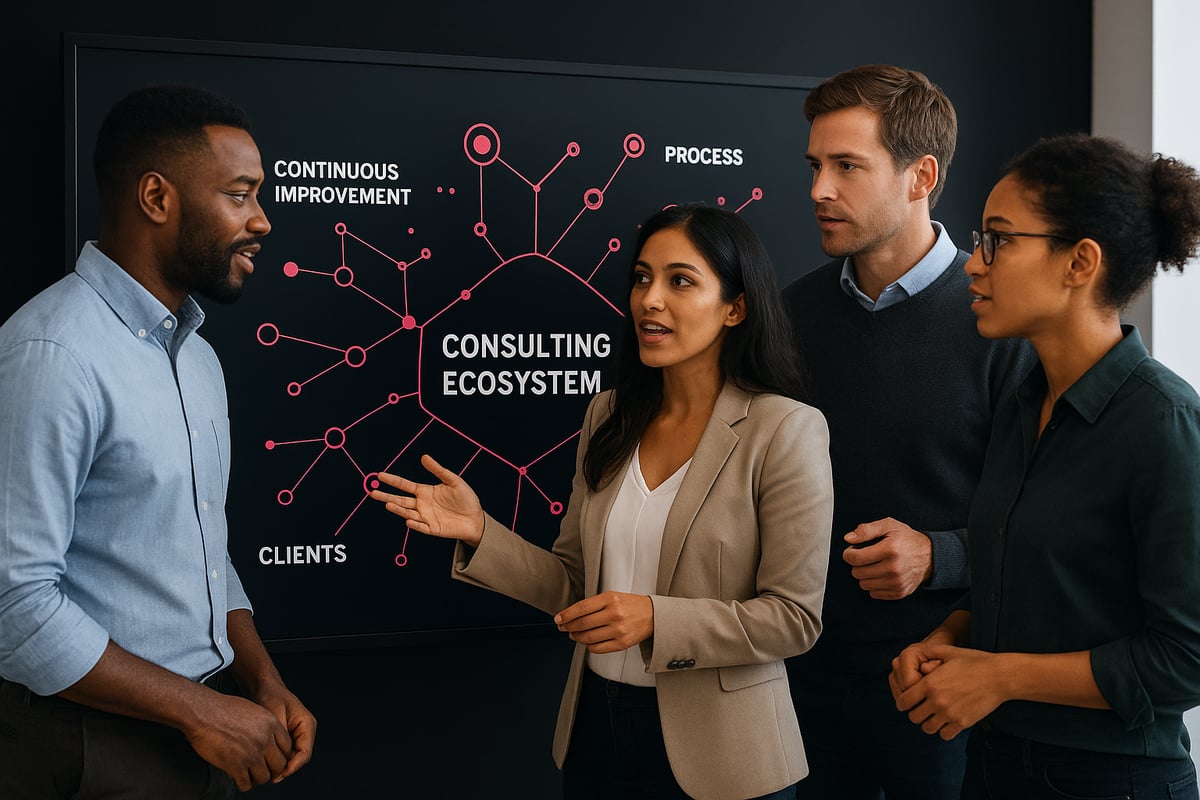
In mgmt consulting, self-reinforcing ecosystems enable continuous improvement through knowledge-sharing and feedback. When consultants, clients, and technology partners collaborate within a single ecosystem, they form virtuous cycles. Each project completed and insight shared increases the value of the entire network, attracting more elite consultants and diverse clients.
Deloitte’s alliance-driven consulting ecosystem is a leading example. By partnering with technology firms and industry experts, Deloitte creates an environment where best practices and new solutions circulate rapidly. This approach amplifies cross-disciplinary expertise and accelerates digital transformation for clients.
Benefits for Freelancers:
- Consistent access to high-value work
- Opportunities for professional development and upskilling
- Recognition and reputation growth within the ecosystem
Benefits for Clients:
- Rapid access to specialized expertise
- Collaborative problem-solving with tailored solutions
- Transparent project delivery and measurable ROI
PwC’s global innovation network demonstrates how a vibrant ecosystem supports innovation and knowledge-sharing. By tapping into a diverse network, PwC delivers unique client outcomes and sustains long-term relationships. For those interested in the rise of such models, crowdsourced consulting platforms provide additional insights into how digital talent marketplaces are becoming the go-to destination for high-quality freelance consultants.
Creating Network Effects for Competitive Advantage
Network effects are a core advantage for modern mgmt consulting ecosystems. As more participants join, the ecosystem’s value grows exponentially. This attracts further talent and clients, reinforcing a cycle of growth and innovation.
Consulting platforms foster participation by incentivizing knowledge-sharing and collaboration. Reputation systems encourage consultants to contribute expertise, while transparent feedback loops ensure continuous improvement. For example, Toptal’s rigorous talent vetting and active community engagement model help maintain high standards and trust within its ecosystem.
Sustainable business models in mgmt consulting rely on balancing platform benefits for both consultants and clients. Platforms that prioritize fair rewards, professional development, and transparent governance will lead the charge in 2026. Virtuous loops of collaboration and peer-reviewed solutions will continue to set successful ecosystems apart.
In summary, building and leveraging interconnected communities is now essential for anyone aiming to thrive in mgmt consulting. By embracing self-reinforcing ecosystems, both freelancers and clients unlock greater opportunity, efficiency, and long-term value.
The Future of Talent Marketplaces and Consulting Platforms
The landscape of mgmt consulting is transforming as digital talent marketplaces become the backbone of modern consulting ecosystems. These platforms are not only connecting clients with top-tier talent, but they are also creating virtuous cycles of value through collaborative intelligence and rapid project delivery. As we approach 2026, understanding the evolution of these self-reinforcing ecosystems is essential for anyone seeking long-term sustainability and value in mgmt consulting.
Emergence of High-Value Talent Marketplaces
In 2026, talent marketplaces have become the go-to destination for clients seeking high-value work in mgmt consulting. These platforms offer transparent pricing, managed budgets, and outcome-focused engagements, making it easier for organizations to access specialized expertise on demand. The self-reinforcing ecosystem of these marketplaces thrives as more consultants and clients participate, amplifying network effects and driving sustainable business growth.
Clients benefit from rapid project launches, access to vetted consultants, and cost efficiency, while freelancers enjoy consistent opportunities for professional development and knowledge-sharing. A prime example is Catalant, whose enterprise client base has grown rapidly thanks to its ability to deliver top-tier talent for complex projects. Peer-reviewed solutions and collaborative intelligence are now standard, ensuring high-quality outcomes for all stakeholders.
According to Freelance economy insights, the freelance and gig models are reshaping mgmt consulting by fostering long-term sustainability and value. As the marketplace expands, both clients and consultants experience the power of self-reinforcing virtuous loops, where every successful project attracts even more participants and expertise.
OdeCloud: Revolutionizing ERP Consulting with AI-Powered Talent Matching
OdeCloud stands out as a self-reinforcing ecosystem designed specifically for ERP mgmt consulting. By leveraging AI-powered talent matching, OdeCloud connects clients with fractional ERP experts who specialize in Oracle NetSuite, Oracle, and Workday platforms. This innovative approach delivers flexible, cost-effective access to top-tier talent and ensures that clients only pay for what they need, with full visibility and control.
Key features of OdeCloud include:
- AI-powered project delivery for fast launches and transparent outcomes
- A vetted community of 500+ ERP experts collaborating on innovative solutions
- Managed budgets and clear engagement models
- Community-driven quality assurance and peer-reviewed project work
Leading companies trust OdeCloud for high-value ERP implementations that are stress-free and efficient. The platform’s sustainable business model, combined with its focus on knowledge-sharing and collaborative intelligence, makes it a blueprint for the future of mgmt consulting. OdeCloud’s rapid project launch timelines and transparent engagement approach highlight the long-term value of participating in a connected consulting ecosystem.
Long-Term Sustainability and Value Creation
Long-term sustainability and value in mgmt consulting depend on building trust, reputation, and performance through self-reinforcing ecosystems. Talent marketplaces foster virtuous cycles by incentivizing knowledge-sharing, collaboration, and continuous improvement. As decentralized platforms and AI-driven talent matching become standard, consultants and clients will experience even greater efficiency and reach.
Future trends point to global collaboration and the rise of decentralized consulting platforms, where network effects drive exponential growth. Freelance consulting is projected to grow at a 30% CAGR through 2026, reflecting the shift toward flexible work and project-based engagements. For a deeper look at how AI is accelerating these changes in professional services, see AI’s Impact on Professional Services by 2026.
The future of mgmt consulting is defined by interconnected communities, sustainable business models, and the ability to adapt quickly to changing demands. By embracing these evolving ecosystems, both consultants and clients can secure long-term value and remain at the forefront of industry innovation.
Actionable Strategies for Consultants and Clients in 2026
In 2026, the mgmt consulting landscape rewards those who adapt quickly, collaborate openly, and leverage powerful ecosystems. Both consultants and clients must embrace new approaches to maximize value and drive sustainable results. The following strategies offer a blueprint for thriving in this rapidly changing environment, where knowledge-sharing and network effects are at the core of success.
For Consultants: Thriving in the New Ecosystem
To succeed in mgmt consulting in 2026, consultants must position themselves as adaptable, high-value contributors within talent marketplaces. Start by cultivating a strong personal brand that highlights your expertise, reliability, and history of impactful results. Engage in knowledge-sharing within your ecosystem to build trust and increase visibility among both peers and clients.
Embrace continuous learning through on-demand platforms and collaborative communities. Staying current with digital tools, AI, and data analytics is crucial. Participating in peer-reviewed projects not only sharpens your skills but also signals your commitment to excellence.
List of strategies for consultants:
- Specialize in a niche or emerging area to become a go-to expert
- Share insights and resources to foster a self-reinforcing ecosystem
- Pursue fractional and project-based work for greater flexibility and earning potential
- Continuously update digital and collaborative skills
Freelancers who specialize and actively contribute to their communities often earn 30 percent more, as platforms reward high-value work and reputation. For more on how the industry is evolving, explore the Professional services evolution category for insights on mgmt consulting adaptation.
For Clients: Maximizing Consulting ROI
Clients looking to optimize their mgmt consulting investment should start by selecting talent marketplaces and ecosystems that prioritize transparency, outcome-focused engagements, and access to top-tier talent. Clear project objectives and defined success metrics are essential for driving results and maintaining accountability.
Embrace collaborative partnerships with consultants, favoring open communication and shared knowledge. This approach often results in faster project launches, innovative solutions, and lower overall costs. For example, enterprises leveraging talent marketplaces have reported up to 20 percent reductions in consulting spend by focusing on managed budgets and transparent workflows.
Quick tips for clients:
- Choose platforms with strong vetting and reputation systems
- Set measurable outcomes and maintain regular feedback loops
- Leverage the ecosystem’s collective intelligence for better solutions
- Foster long-term partnerships for sustained value
Clients who integrate these strategies into their mgmt consulting approach consistently achieve superior outcomes and maximize ROI.
Collaborative Intelligence and Knowledge-Sharing
The future of mgmt consulting is defined by virtuous loops of collaboration, learning, and value creation. Embedding knowledge-sharing into every project workflow builds trust and accelerates innovation. Consultants and clients who engage in ongoing dialogue create self-reinforcing ecosystems that benefit everyone involved.
Building long-term partnerships strengthens network effects, making each participant more valuable as the ecosystem grows. Case studies from 2026 highlight how collaborative intelligence leads to breakthrough solutions and lasting business impact. By staying informed on Emerging Trends in Business Consulting for 2026, both consultants and clients can adapt to new models and maintain a competitive edge in mgmt consulting.
As you navigate the evolving world of management consulting in 2026, it’s clear that success hinges on staying ahead of industry shifts, embracing new technologies, and building strong professional networks. If you’re ready to leverage your expertise in a community that values innovation and collaboration, there’s never been a better time to take the next step. By joining a trusted ecosystem like OdeCloud, you can access exciting projects, connect with top-tier clients, and contribute to groundbreaking ERP solutions—all while enjoying the flexibility of fractional consulting. If you’re looking to grow your impact and career, become a OdeCloud vetted expert and join the OdeCloud Community today.